
Screening & Early Detection - Cancer Currents Blog
News about research on cancer screening and early detection. Includes stories on the impact of screening, new technologies, and approaches to improving the safety and efficacy of screening.
-
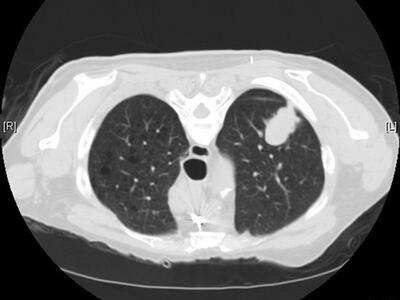
A demonstration project by the Veterans Health Administration is highlighting some of the complexities and challenges associated with the expansion of lung cancer screening in the United States.
-

An NCI Cancer Currents blog post about the NCI Global Cancer Research Symposium, which examined ways of increasing research collaboration, particularly in cancer prevention and screening, to reduce the cancer burden.
-
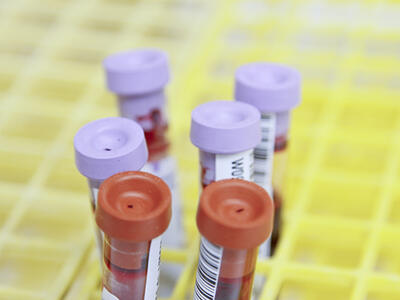
A new study shows clinicians continue to use CA-125 testing and CT scans to monitor for recurrences although the benefit of these tests has not been proven.
-
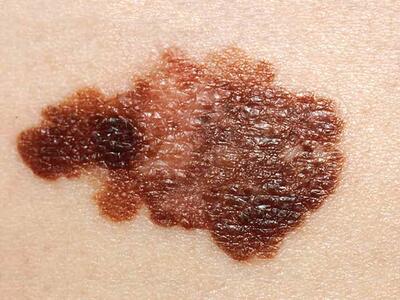
People previously treated for melanoma can team up with a spouse, family member, or a friend and be trained to find new melanomas, a new study shows.
-
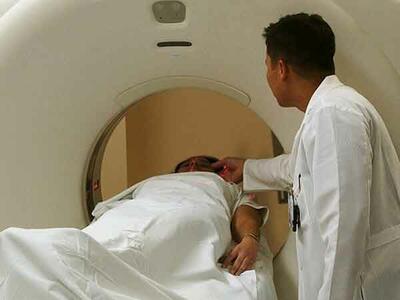
A blog post on a modeling study from NCI researchers suggesting that individualized, risk-based selection of ever-smokers for lung cancer screening may prevent more lung cancer deaths compared with current screening recommendations.
-

Testing for genetic mutations strongly associated with an increased risk of breast cancer has risen dramatically among women younger than age 40 who are diagnosed with the disease, according to a new study.
-
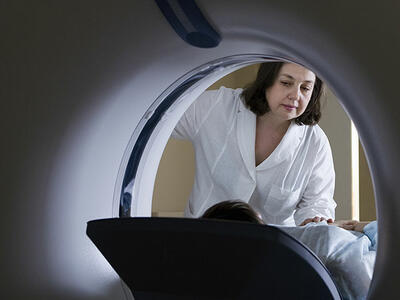
A recent NCI-sponsored conference brought together leading screening and cancer control researchers to discuss the state of the science of precision screening for five cancers.
-

Experts are convening for a conference on the dilemmas posed by overdiagnosis in many types of diseases. Overdiagnosis is generally defined as the diagnosis of a disease or condition that is unlikely to ever cause harm.
-
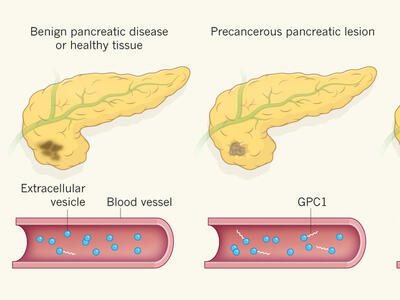
A protein attached to vesicles circulating in the blood could be a biological marker for detecting early signs of pancreatic cancer.
-

Breast density is just one of several factors that should be taken into account in determining the need for additional cancer screening, study suggests.