
Survivorship & Supportive Care - Cancer Currents Blog
News on research that affect cancer patients and survivors. Topics include managing treatment side effects, fertility preservation, and cancer’s long-term effects.
-

Updated guidelines on exercise for those living with cancer and cancer survivors were recently released. In this conversation, Dr. Kathryn Schmitz discusses what these new guidelines mean for doctors, patients, and survivors.
-

In a survey of nearly 600 breast cancer survivors, researchers found that the cost of care factored into the decisions the women made about what type of surgery to get. Many women also reported never discussing costs with their physicians.
-
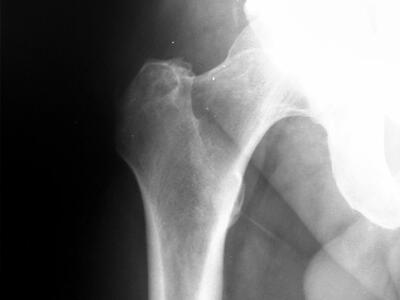
New findings from a clinical trial suggest that a single dose of radiation therapy may control painful bone metastases as effectively as multiple lower doses of radiation therapy.
-

A physical rehabilitation program delivered by telephone improved function and reduced pain for people with advanced cancer, a clinical trial shows. The program also reduced the time patients spent in hospitals and long-term care facilities.
-

In a study in young monkeys, researchers showed that a technique using stored testicular tissue led to successful conception. Researchers are hopeful the approach could eventually be a fertility preservation option for young boys being treated for cancer.
-

NCI has created special clinics that bring together clinicians, patients, and advocates to promote more rapid progress against rare cancers. The effort includes both rare pediatric cancers and central nervous system tumors in adults.
-
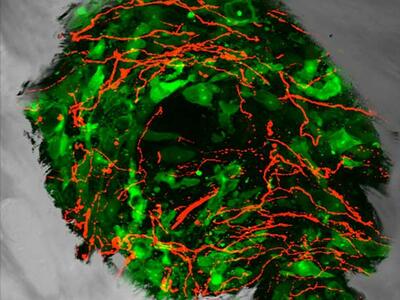
Pain is a common and much-feared symptom among people with cancer and long-term survivors. As more people survive cancer for longer periods, there is a renewed interest in developing new, nonaddictive approaches for managing their chronic pain.
-

Findings from a clinical study and a mouse study may shed light on genetic risk factors for developing cancer-related cognitive problems in older breast cancer survivors. The results suggest a gene associated with Alzheimer’s disease may play a role.
-
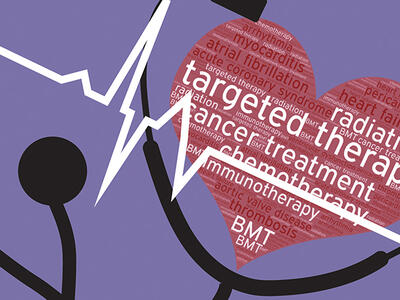
Certain cancer treatments can damage the heart and the cardiovascular system, a problem known as cardiotoxicity. Cardiologists and oncologists met recently to discuss strategies and future research directions for addressing these side effects.
-

Just three to six sessions of a tailored psychotherapy approach called CALM helped to lessen symptoms of depression in people recently diagnosed with advanced cancer, results from a clinical trial show. The approach also may help prevent depression, researchers found.