
Cancer Currents: An NCI Cancer Research Blog
A blog featuring news and research updates from the National Cancer Institute.

-
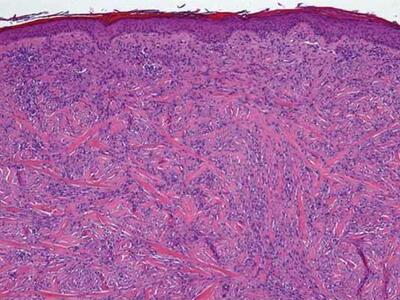
A new study suggests that patients with a rare form of melanoma, called desmoplastic melanoma, may be particularly likely to benefit from treatments known as immune checkpoint inhibitors. An NCI-sponsored clinical trial is already testing one such drug in patients with this cancer.
-

Two compounds that target components of the circadian clock killed several types of cancer cells in the lab and slowed the growth of brain tumors in mice without harming healthy cells, a new study showed.
-
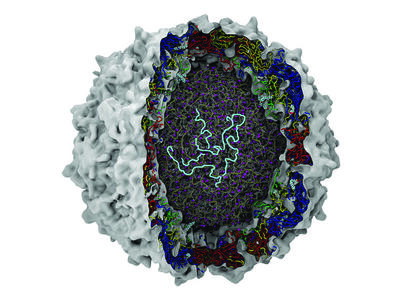
A small but growing number of patients with cancer are being treated with oncolytic viruses, which infect and kill tumor cells. But research now suggests that these treatments also work against cancer by spurring an immune response.
-

People with cancerous neuroendocrine tumors (NETs) that affect the digestive tract now have a new treatment option. On January 29, FDA approved the targeted treatment lutetium Lu 177 dotatate (Lutathera®) for adult patients with advanced NETs that affect the pancreas or gastrointestinal tract.
-

Using mouse models of cancer, researchers found that altering the gut microbiome could affect whether tumors responded to checkpoint inhibition.
-

An NCI-funded study has found significant differences in the genetics of acute myeloid leukemia in younger and older patients. The findings could help guide the development of treatments tailored specifically for childhood AML.
-
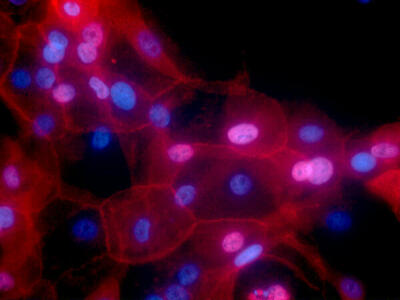
The drug olaparib (Lynparza®) is the first treatment approved by the Food and Drug Administration for patients with metastatic breast cancer who have inherited mutations in the BRCA1 or BRCA2 genes.
-
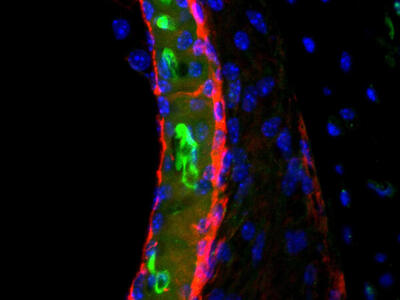
A new study has found the commonly used chemotherapy drug cisplatin is retained in the inner ear of mice and humans for long periods. The finding may explain why many patients treated with the drug develop hearing loss and could point toward potential ways to prevent it.
-

NCI Director Dr. Norman Sharpless discusses research on aging and cancer, including understanding the biology of aging and its relationship to cancer, the treatment of older patients, and ensuring older patients participate in cancer clinical trials.
-
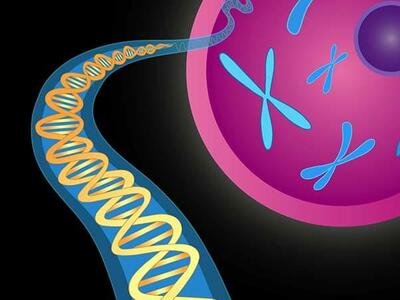
Patterns of gene expression may be different in the tumors of some African Americans than in those of whites, a new study has found, and these biological differences may contribute to racial disparities in lung cancer.