
Cancer Currents: An NCI Cancer Research Blog
A blog featuring news and research updates from the National Cancer Institute.

-

The consumption of cigarettes, small cigars, and chewing tobacco has declined over the past 15 years, according to a new study. These declines were partially offset by a rise in consumption of large cigars, pipe tobacco, and snuff.
-

NCI’s Dr. Mark Parascandola answers questions about The Economics of Tobacco and Tobacco Control, the latest in a series of monographs on tobacco use and tobacco control, which was co-written with the World Health Organization.
-

The targeted cancer therapy ibrutinib can effectively treat the symptoms of chronic graft-versus-host disease, a common and serious complication of allogeneic stem cell transplants, findings from a small clinical trial show.
-
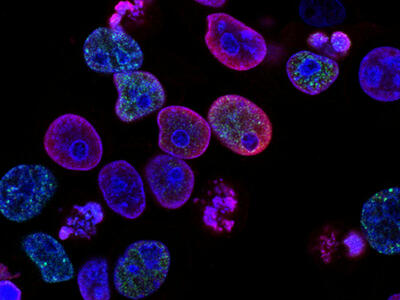
The FDA has approved rucaparib for women with BRCA-positive advanced ovarian cancer based on findings from two small clinical trials showing that it shrank tumors.
-

Researchers have found that duloxetine (Cymbalta®), a drug most commonly used to treat depression, may also reduce joint pain caused by aromatase inhibitors in some women being treated for early-stage breast cancer.
-
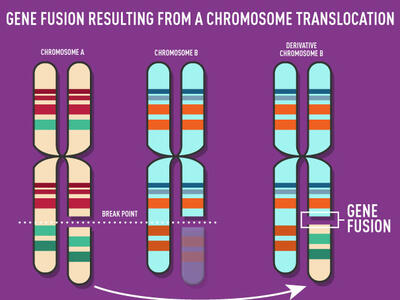
Researchers have created a long-sought-after mouse model for an aggressive form of acute lymphoblastic leukemia that occurs commonly in infants and that the researchers believe can accelerate the development of new therapies for the disease.
-
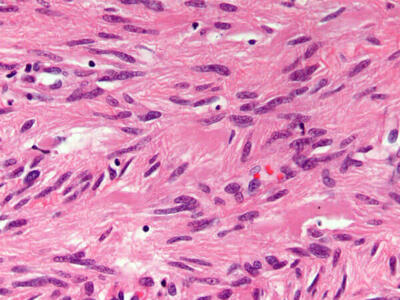
Two new targeted therapies have shown promise in patients with gastrointestinal stromal tumors (GIST) that have developed resistance to standard therapies.
-

Brain cancer cells are heavily dependent on a constant supply of cholesterol to survive, a new study suggests. And in mice with brain tumors, treatment with a cholesterol-depleting drug slowed tumor growth and improved survival.
-
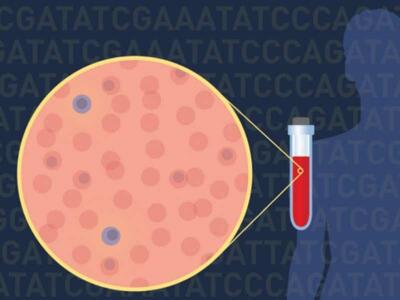
A study suggests that individual tumor cells circulating in the blood of patients with multiple myeloma may be a new source of information about the genetic changes driving the disease.
-
The FDA has approved daratumumab, in combination with either of two other standard therapies, in patients with multiple myeloma whose disease has progressed after only a single prior treatment course.