
Cancer Currents: An NCI Cancer Research Blog
A blog featuring news and research updates from the National Cancer Institute.

-
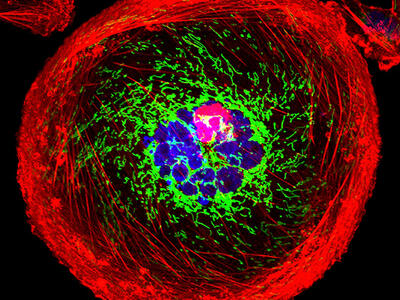
An NCI Cancer Currents blog post that provides updates on new NCI websites and other online content of interest to the cancer community.
-
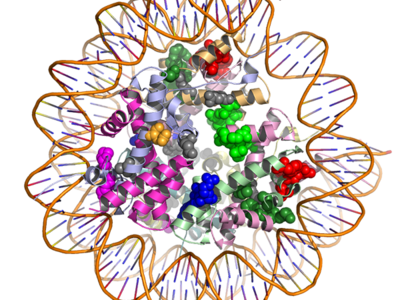
A new 3-D modeling tool may help identify mutations in cancer cells that could be targeted with new or existing drugs, a new study suggests.
-

According to an NCI study, the number of older cancer survivors will grow substantially over the next quarter century, increasing the demand for cancer and survivorship care.
-
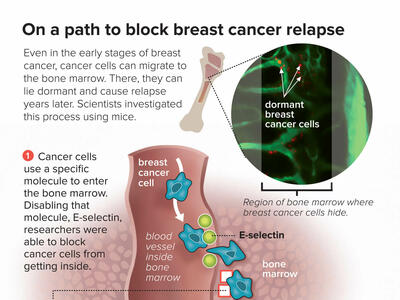
Researchers have identified proteins that may regulate the movement of breast cancer cells into and out of bone marrow.
-

A new report from an NCI working group lays out recommended priorities to help shape the institute’s future tobacco control research portfolio.
-
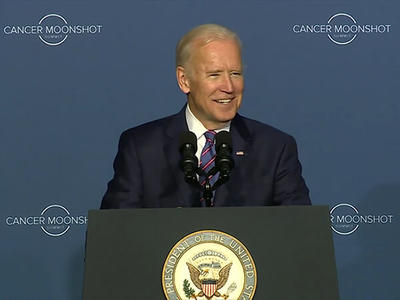
A recap of the Cancer Moonshot national summit hosted by Vice President Joe Biden in Washington, D.C., on June 29, 2016, including a summary of the NCI-related activities that have been stimulated by the Cancer Moonshot.
-

Many patients with advanced, incurable cancer have a poor understanding of their prognosis or life expectancy, a new study shows. Patients who discussed their prognosis with their doctors were more likely to understand the serious nature of their illness.
-
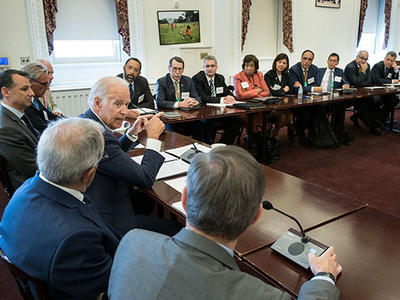
An update on the activities of the National Cancer Moonshot Initiative’s Blue Ribbon Panel and its work to develop a final report for research ideas to be pursued under this initiative.
-

Results from a recent clinical trial showed that extending adjuvant therapy with an aromatase inhibitor to 10 years after initial treatment can have important benefits for postmenopausal women with early-stage hormone receptor–positive breast cancer.
-

Encouraging findings from several early-stage clinical trials featured at the 2016 American Society of Clinical Oncology annual meeting support the promise of precision medicine and immunotherapy.