
Biology of Cancer - Cancer Currents Blog
Cancer biology research news, with context from experts at NCI and elsewhere. Topics include cancer metastasis, the tumor microenvironment, and new targets for cancer therapies.
-
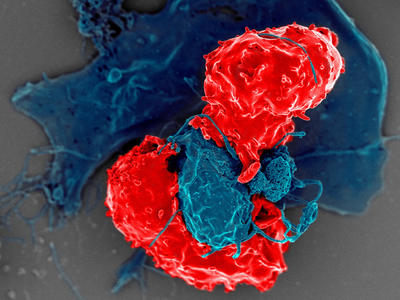
The number of dendritic cells in a tumor may explain why immunotherapies work for some cancers but not others, a new study suggests. In mice, boosting dendritic cells triggered an immune response that slowed pancreatic tumor growth.
-
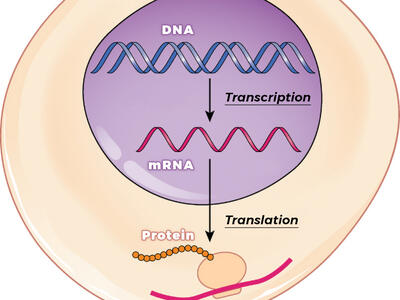
A novel approach to analyzing tumors may bring precision cancer medicine to more patients. A study showed the approach, which analyzes gene expression using tumor RNA, could accurately predict whether patients had responded to treatment with targeted therapy or immunotherapy.
-
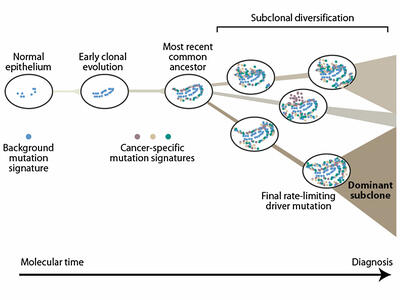
Scientists have mapped the evolution of 38 cancer types, noting common gene and protein alterations that occur early, in the middle of, and late in their development. The hope is that these maps create opportunities to identify cancers much earlier.
-
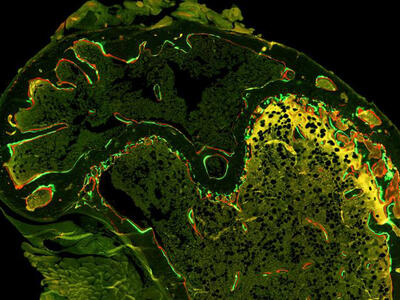
Bone loss associated with chemotherapy appears to be induced by cells that stop dividing but do not die, a recent study in mice suggests. The researchers tested drugs that could block signals from these senescent cells and reverse bone loss in mice.
-
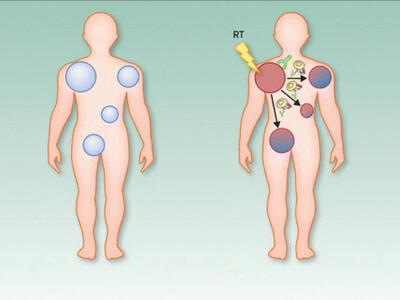
In people with cancer, the abscopal effect occurs when radiation—or another type of localized therapy—shrinks a targeted tumor but also causes untreated tumors in the body to shrink. Researchers are trying to better understand this phenomenon and take advantage of it to improve cancer therapy.
-
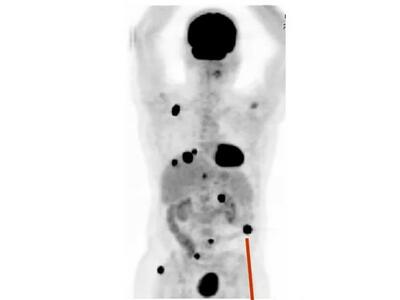
Melanoma cells that metastasize to other parts of the body produce high levels of a protein called MCT1, a new study in mice has found. Blocking MCT1 with an investigational drug, AZD3965, led to fewer and smaller metastatic tumors.
-
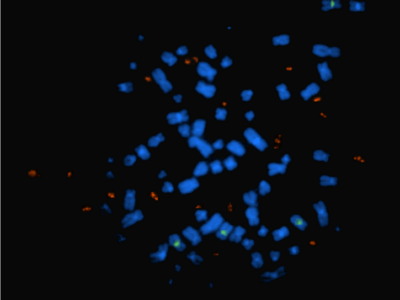
Glioblastoma cells sneak many copies of a key oncogene into circular pieces of DNA. In a new NCI-funded study, scientists found that the cells also slip several different genetic “on switches” into these DNA circles, helping to fuel the cancer’s growth.
-
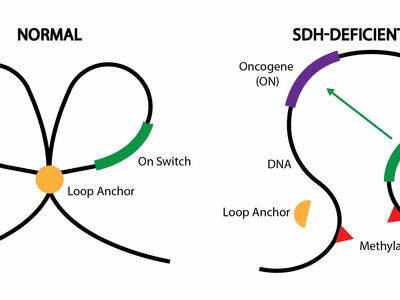
Scientists may have pinpointed the cause of some gastrointestinal stromal tumors (GISTs), a rare cancer, according to a new NCI-funded study. However, the culprit isn’t a harmful genetic mutation, but another type of genetic change, what are called epigenetic alterations.
-
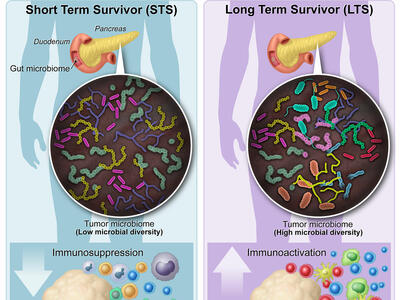
In people with pancreatic cancer, the makeup of bacteria that populate their tumors could predict how long they live, results from a new study suggest. Experiments in mice suggested that altering the tumor microbiome could play a role in treatment.
-
A new NCI-supported study showed that altering cancer cell metabolism by feeding mice a diet very low in the nutrient methionine improved the ability of chemotherapy and radiation therapy to shrink tumors.