
Cancer Currents: An NCI Cancer Research Blog
A blog featuring news and research updates from the National Cancer Institute.

-

A blog post on a study showing that in patients with metastatic colorectal cancer, the location in the colon where the tumor originated appears to strongly influence how long patients live.
-
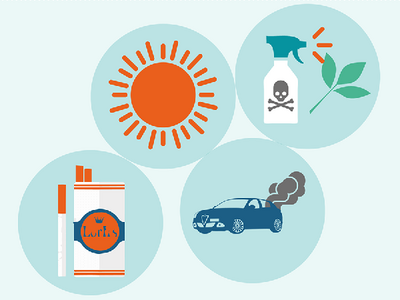
Cancer researchers are increasingly exploring how cancer risk is influenced by genetic predisposition to cancer and the effects of environmental exposures, and what this means for cancer prevention.
-

African Americans younger than age 50 had significantly worse 5-year survival rates at every stage of disease compared with young white and Hispanic patients, a new study shows.
-

“Moles to Melanoma: Recognizing the ABCDE Features” presents photos that show changes in individual pigmented lesions over time, and describes the different appearances of moles, dysplastic nevi, and melanomas.
-

NCI’s Dr. Robert Croyle discusses some of the issues related to cancer control faced by rural communities and how NCI is approaching this important problem.
-
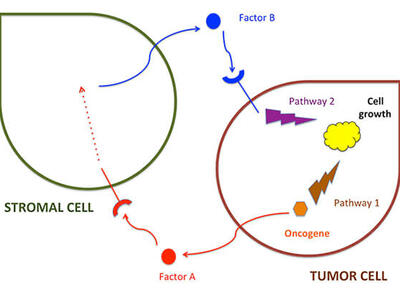
Pancreatic cancer cells and neighboring normal cells engage in a two-way molecular conversation that helps drive malignant behavior in the cancer cells, according to new study results.
-

NCI researchers have identified new therapeutic targets for diffuse large B-cell lymphoma. Drugs that hit these targets are under clinical development and the researchers hope to begin testing them in clinical trials of patients with DLBCL.
-
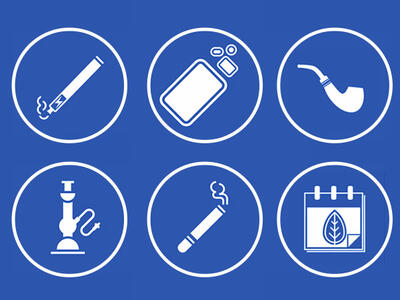
NCI’s Dr. Robert Croyle discusses the Food and Drug Administration’s release of a rule that extends its regulatory authority over tobacco products to include cigars, e-cigarettes, hookah (waterpipe) tobacco.
-
Health data enthusiasts of all stripes were in Washington, D.C., today for Health Datapalooza. NCI's Dr. Warren Kibbe explains that this annual event explores a topic that is central to NCI’s efforts against cancer: creating knowledge from data.
-
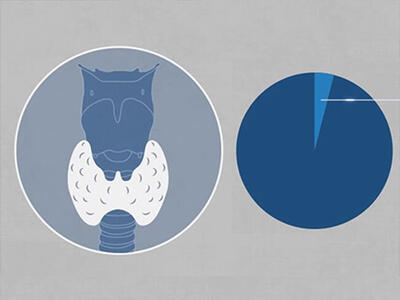
After rising steadily since the 1990s, the incidence of thyroid cancer in the United States may be leveling off, according to an analysis of data from NCI’s SEER program.