
Cancer Currents: An NCI Cancer Research Blog
A blog featuring news and research updates from the National Cancer Institute.

-
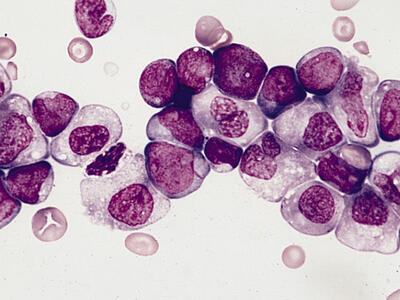
The persistence of genetic mutations in some patients with acute myeloid leukemia may allow physicians to better classify their risk of recurrence.
-
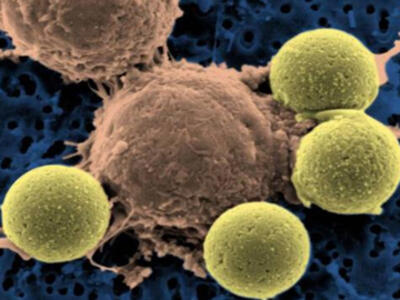
Engineering immune cells to have a decreased affinity for their targets on cancer cells may not weaken their efficacy but may reduce the risk of side effects.
-
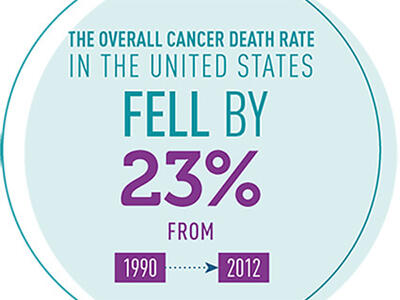
Many of the trends being seen in cancer are changing how we view cancer and how we address it, from prompting research to identify the underlying causes of cancers increasing in incidence to informing research on treatment and prevention.
-
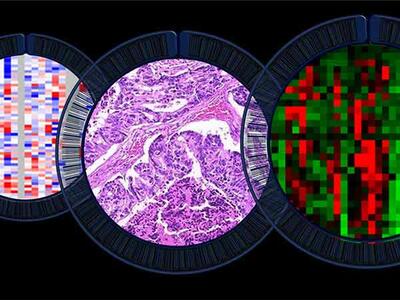
Dr. Henry Rodriguez explains the goals and future directions of CPTAC, a collaborative consortium of institutions and investigators who study cancer proteomics.
-

Genomic methods, such as DNA sequencing, may help doctors manage the treatment of children and young adults with cancer.
-

The NCI Annual Plan and Budget Proposal for Fiscal Year 2017 provides an overview of NCI’s priorities and key initiatives and the institute’s funding request.
-

The FDA has approved rolapitant to prevent chemotherapy-induced nausea and vomiting.
-
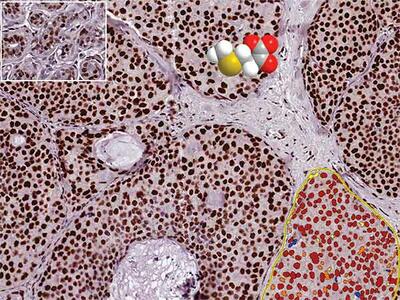
NCI has awarded grants to five research teams to participate in its Pediatric Preclinical Testing Consortium, which is intended to help to prioritize which agents to pursue in pediatric clinical trials.
-
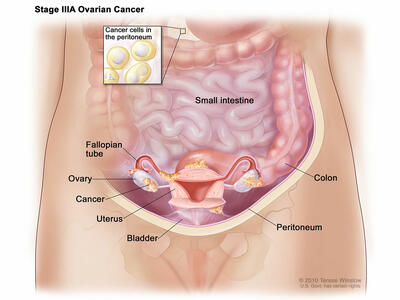
Use of intraperitoneal chemotherapy, along with intravenous chemotherapy, improves survival in some women with advanced ovarian cancer, but its use in clinical practice has been limited, according to a new study.
-
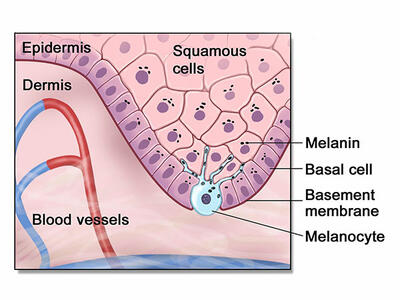
The FDA has approved sonidegib for the treatment of patients with locally advanced basal cell carcinoma.