
Cancer Currents: An NCI Cancer Research Blog
A blog featuring news and research updates from the National Cancer Institute.

-
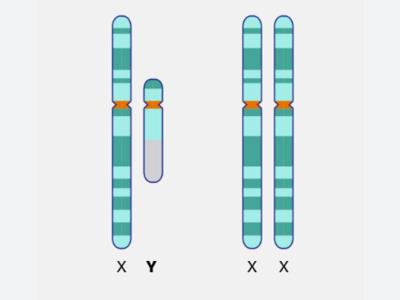
In men, loss of the Y chromosome in bladder cancer cells helped tumors evade the immune system and grow unchecked, a new study shows. However, losing the chromosome also appears to make bladder cancer more susceptible to immunotherapy, researchers reported.
-

An update on new and updated content on NCI’s websites of interest to the cancer community. This edition features resources of interest to cancer researchers and trainees.
-
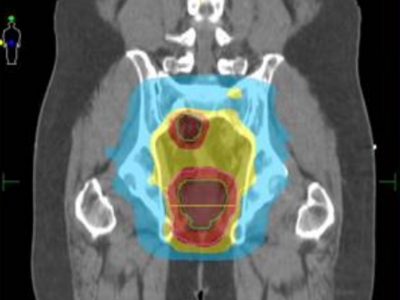
Radiation may not be needed for people undergoing surgery for rectal cancer, a large clinical trial has shown. A combination of two chemotherapy drugs before surgery appears to be as effective as chemo and radiation and may spare patients from long-term side effects.
-

A large clinical trial has shown that in people with blood cancers, a cyclophosphamide-based regimen better protects against graft-versus-host-disease (GVHD) after an allogeneic stem cell transplant than the standard regimen.
-
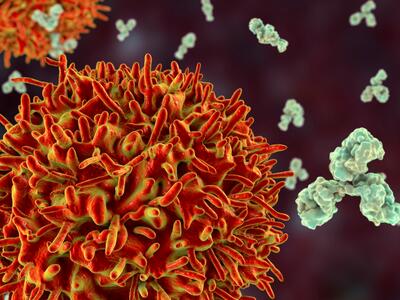
New findings show that the CAR T-cell therapy axicabtagene ciloleucel (Yescarta) improved survival for people with large B-cell lymphoma that was not responding to initial treatment or had quickly relapsed. The new results from the ZUMA-7 trial offer real hope for this group of patients.
-
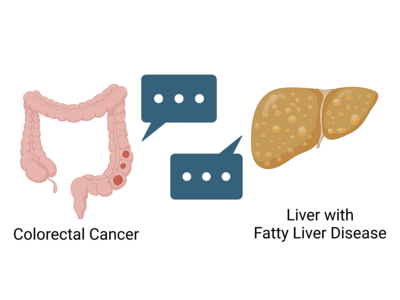
When colorectal cancer spreads to the liver, it can be very difficult to treat. Cancer is more likely to invade the liver when patients have fatty liver disease. A recent study places the blame on “message bubbles” called extracellular vesicles that are released by the liver.
-
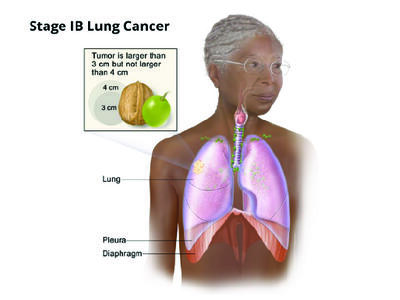
In the ADAURA clinical trial, people with early-stage lung cancer treated with osimertinib (Tagrisso) after surgery lived longer than people treated with a placebo after surgery. Despite some criticisms about its design, the trial is expected to change patient care.
-

In a large clinical trial, vorasidenib slowed the growth of low-grade gliomas that had mutations in the IDH1 or IDH2 genes. Vorasidenib is the first targeted drug developed specifically to treat brain tumors.
-
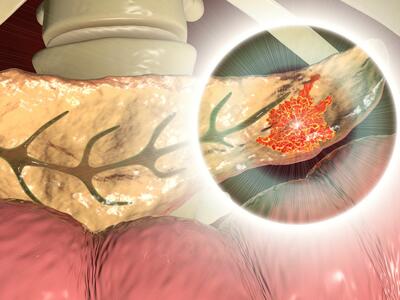
A new study finds that pancreatic cancer cells have a ready way to overcome a lack of glucose, a frequent occurrence in this disease. They use another fuel source: a molecule called uridine. Findings from a related study suggest other cancers do as well.
-
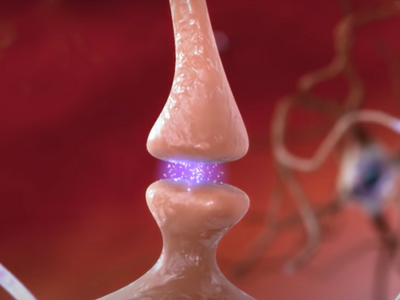
Researchers have found that the aggressive brain cancer glioblastoma can co-opt the formation of new synapses to fuel its own growth. This neural redirection also appears to play a role in the devastating cognitive decline seen in many people with glioblastoma.