
Cancer Currents: An NCI Cancer Research Blog
A blog featuring news and research updates from the National Cancer Institute.

-

FDA has approved zanubrutinib (Brukinsa) for chronic lymphocytic leukemia (CLL) or small lymphocytic lymphoma (SLL) based on results from two clinical trials. In both trials, the drug, which blocks a protein called BTK, was more effective and caused fewer side effects than other treatments.
-
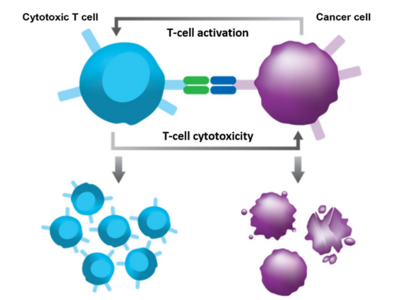
The immunotherapy drug blinatumomab (Blincyto) extends life for people with acute lymphoblastic leukemia who are in remission, even those with no signs of disease after initial treatment, a trial has found.
-

Many young women who are diagnosed with early-stage breast cancer want to become pregnant in the future. New research suggests that these women may be able to pause their hormone therapy for up to 2 years as they try to get pregnant without raising the risk of a recurrence in the short term.
-
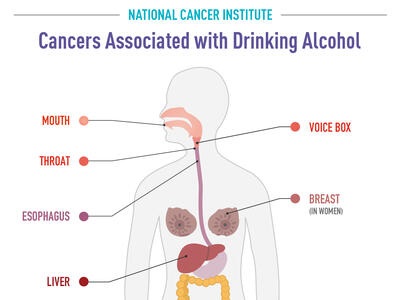
A study confirmed that most US adults aren’t aware of the link between alcohol consumption and cancer. Even among those surveyed who were aware, some believed risk varies by the type of alcohol.
-
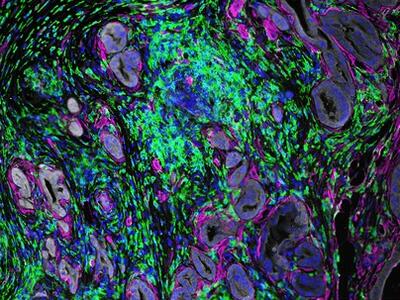
An experimental drug, MRTX1133, shrank tumors or halted their growth in several mouse models of human pancreatic cancer with KRAS G12D mutations, a new study shows. The models included one that is genetically engineered to closely mimic the human disease.
-

For younger women with advanced breast cancer, the combination of ribociclib (Kisqali) and hormone therapy was much better at shrinking metastatic tumors than standard chemotherapy treatments, results from an NCI-funded clinical trial show.
-
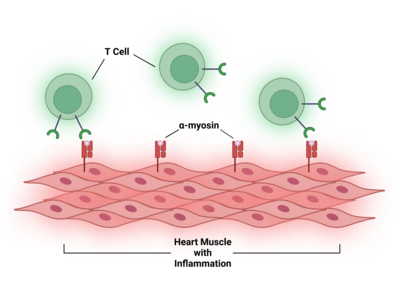
In people with cancer treated with immune checkpoint inhibitors, a rare, but often fatal, side effect is inflammation in the heart, called myocarditis. Researchers have now identified a potential chief cause of this problem: T cells attacking a protein in heart cells called α-myosin.
-
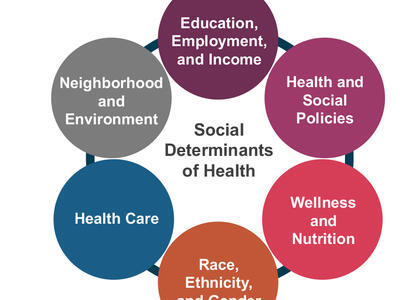
To mark her first year at NCI, Dr. Katrina Goddard lays out her research priorities for the Division of Cancer Control and Population Sciences and outlines key opportunities for reducing the burden of cancer. These future directions and priorities are outlined in the division’s 2022 Overview and Highlights report.
-
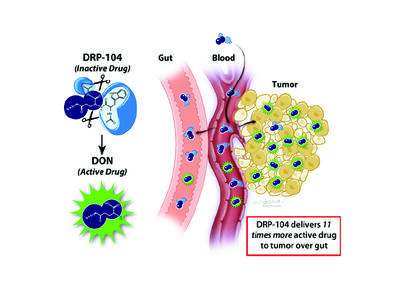
Researchers have modified a chemo drug, once abandoned because it caused serious gut side effects, so that it is only triggered in tumors but not normal tissues. After promising results in mice, the drug, DRP-104, is now being tested in a clinical trial.
-
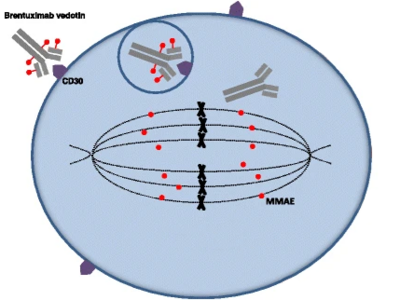
Based on an NCI-sponsored clinical trial conducted by the Children’s Oncology Group, FDA has approved the drug brentuximab vedotin (Adcetris) in combination with chemotherapy for some children and adolescents with Hodgkin lymphoma.