
Cancer Currents: An NCI Cancer Research Blog
A blog featuring news and research updates from the National Cancer Institute.

-
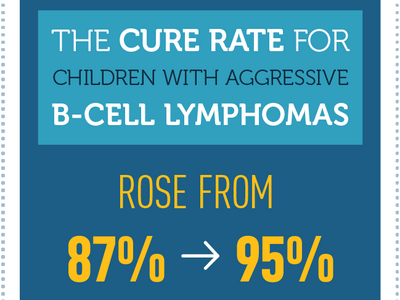
For children with aggressive Burkitt lymphoma and other B-cell non-Hodgkin lymphomas, adding rituximab (Rituxan, Truxima) to chemotherapy substantially increases the likelihood of the child being cured, results from a large clinical trial show.
-

In response to the COVID-19 pandemic, cancer researchers are making changes to clinical trials to ensure patient safety and protect the integrity of their work. Some changes, such as greater use of telemedicine, will likely continue into the future.
-
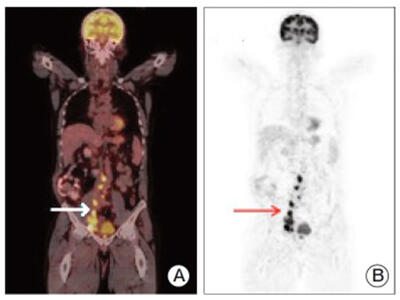
Results from a large study show that, for most people with advanced bladder cancer, starting immunotherapy with avelumab (Bavencio) shortly after initial treatment with chemotherapy is better than delaying treatment.
-
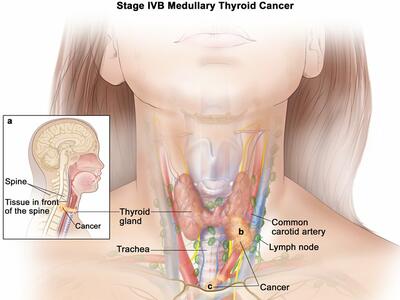
FDA has granted accelerated approval for selpercatinib (Retevmo) to treat certain patients with thyroid cancer or non-small cell lung cancer whose tumors have RET gene alterations. The drug, which works by blocking the activity of RET proteins, was approved based on the results of the LIBRETTO-001 trial.
-

Many advanced cancer patients suffer from chronic nausea and vomiting and there aren’t many good treatments available. But a small study suggests that the drug olanzapine (Zyprexa) may fill that gap.
-
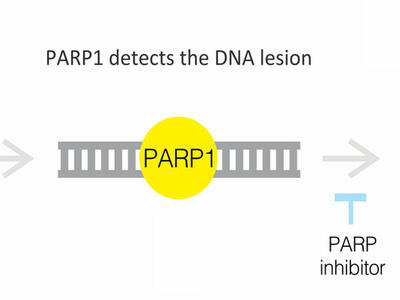
FDA has approved olaparib (Lynparza) and rucaparib (Rubraca) to treat some men with metastatic prostate cancer. The PARP inhibitors are approved for men whose cancers have stopped responding to hormone treatment and have specific genetic alterations.
-
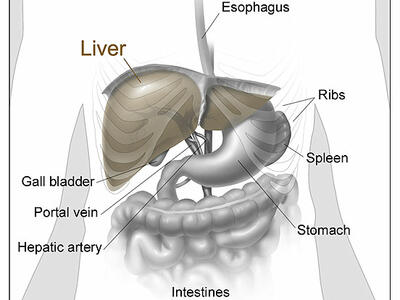
FDA has approved atezolizumab (Tecentriq) plus bevacizumab (Avastin) as an initial treatment for some people with advanced liver cancer. This is the first approval in 13 years for a treatment that is more effective than the current standard, sorafenib.
-
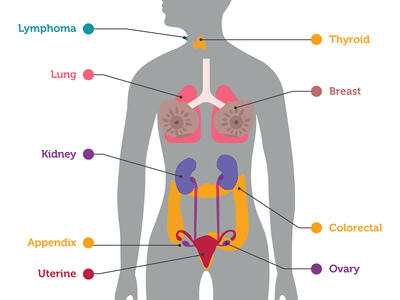
A blood test combined with imaging tests detected tumors—some at an early stage—in women with no history of cancer or symptoms, a recent study showed. The test also mistakenly indicated some women had cancer when further testing showed they didn't.
-

Patients with acute graft-versus-host disease (GVHD) that does not respond to steroid therapy are more likely to respond to the drug ruxolitinib (Jakafi) than other available treatments, results from a large clinical trial show.
-
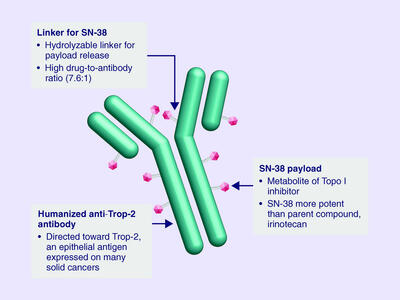
FDA has approved sacituzumab govitecan (Trodelvy) for the treatment of triple-negative breast cancer that has spread to other parts of the body. Under the approval, patients must have already undergone at least two prior treatment regimens.