
Cancer Currents: An NCI Cancer Research Blog
A blog featuring news and research updates from the National Cancer Institute.

-
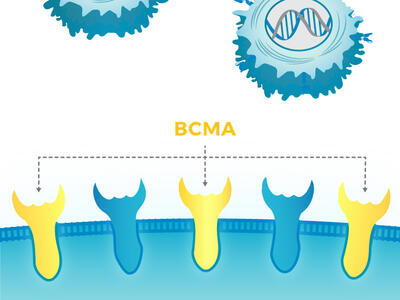
Results from a new study suggest a potential way to improve the effectiveness of CAR T-cell therapy for multiple myeloma. The approach relies on a class of drugs called gamma-secretase inhibitors (GSIs), several of which have been studied to treat Alzheimer’s disease.
-

A TAILORx analysis shows women with early-stage breast cancer and high recurrence scores on the Oncotype DX who received chemotherapy with hormone therapy had better long-term outcomes than what would be expected from hormone therapy alone.
-
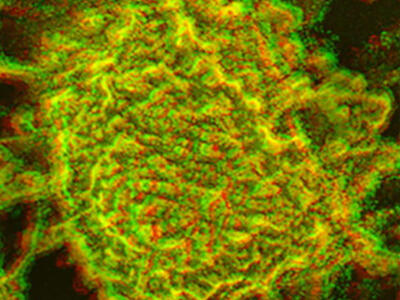
Researchers have engineered an oncolytic virus to kill cancer cells and boost the immune response against tumors. In a new study, the virus provided T cells around tumors with a hormone they need for their own cell-killing functions.
-
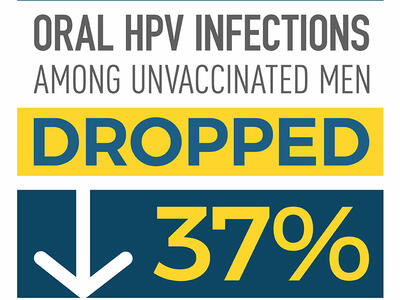
Oral HPV infections cause over 70% of all oropharyngeal cancers in the United States. In a new study of adults aged 18‒59, the rate of HPV vaccination rose from 0% to 6% for men, while oral HPV infections fell by 37% among unvaccinated men.
-

NCI periodically provides updates on new websites and other online content of interest to the cancer community. See selected content that has been added as of October 2019.
-
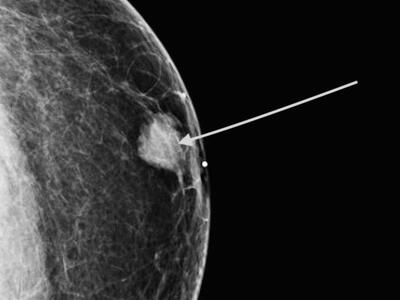
Men with breast cancer may be more likely to die of the disease than women, particularly during the first 5 years after diagnosis, a new study suggests. The higher likelihood of death was linked in part to undertreatment and later diagnosis.
-
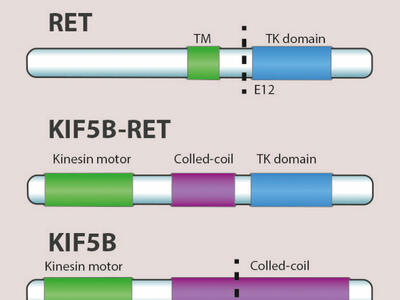
The investigational drug selpercatinib may benefit patients with lung cancer whose tumors have alterations in the RET gene, including fusions with other genes, according to results from a small clinical trial.
-
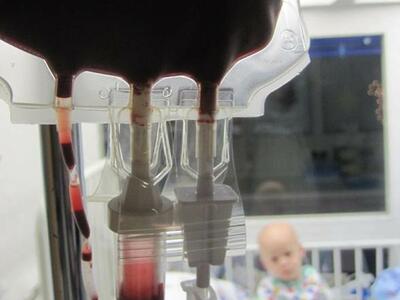
For many children with high-risk neuroblastoma, receiving two separate stem cell transplants is more beneficial than receiving one, according to the results of an NCI-supported clinical trial conducted by the Children’s Oncology Group.
-
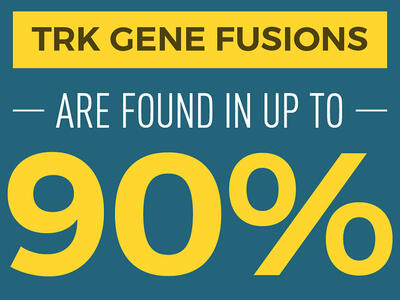
FDA has approved entrectinib (Rozlytrek) for the treatment of children and adults with tumors bearing an NTRK gene fusion. The approval also covers adults with non-small cell lung cancer harboring a ROS1 gene fusion.
-

Researchers tested a program that trains pediatricians’ offices to provide smoking cessation treatment to parents during visits with their child’s doctor. The approach is intended to reach adults who are motivated to quit to protect their child’s health.