
2016 - Cancer Currents Blog
-
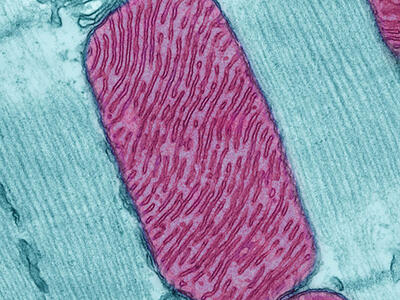
A new study shows that blocking the transfer of calcium ions (Ca2+) into mitochondria is toxic to cancer cells and impairs growth of tumors in mice, while sparing normal cells.
-
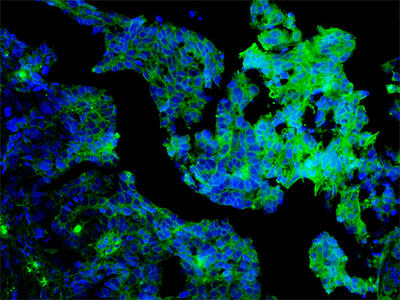
The use of a protein fragment to stimulate cells in the tumor microenvironment against cancer shows promise in animal models of metastatic ovarian cancer.
-
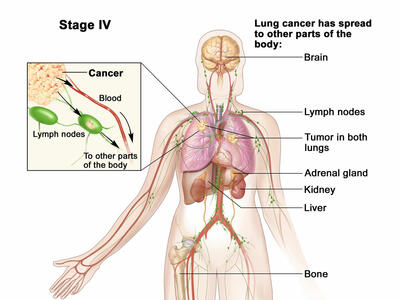
The FDA has approved uses of the targeted therapy crizotinib (Xalkori®) for patients with advanced lung cancer whose tumors have alterations in the ROS1 gene.
-
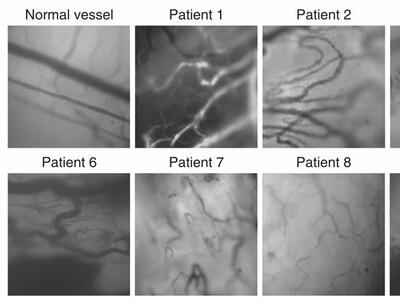
High-powered intravital microscopy reveals that 50 percent of blood vessels in melanoma tumors do not have any blood flow, according to a new study.
-

Research results sometimes outrace the design of an ongoing clinical trial and the trial has to be recalibrated to include newer treatments, according to NCI’s Dr. Jo Anne Zujewski.
-
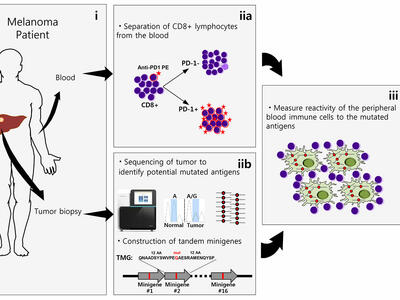
NCI scientists have developed a novel strategy for identifying immune cells circulating in the blood that recognize specific proteins on tumor cells, a finding they believe may have potential implications for immune-based therapies.
-
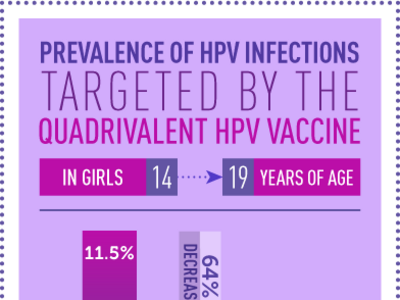
Infection with human papillomavirus (HPV) types targeted by the quadrivalent HPV vaccine has declined by nearly two-thirds among teenage girls since HPV vaccination was recommended in the United States.
-

Quality biospecimens are a foundational resource for cancer research. One of NCI’s longest running biospecimen programs is the Cooperative Human Tissue Network, a resource mainly for basic discovery and early translational research.
-

Testing for genetic mutations strongly associated with an increased risk of breast cancer has risen dramatically among women younger than age 40 who are diagnosed with the disease, according to a new study.