
2023 - Cancer Currents Blog
-

A new treatment regimen may help improve the survival of some people with advanced colorectal cancer, according to results from an international clinical trial. The new regimen includes bevacizumab (Avastin) and the combination of trifluridine and tipiracil (Lonsurf).
-
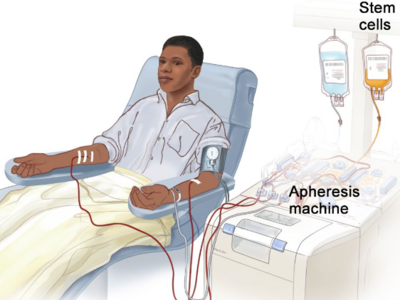
In a clinical trial of people with multiple myeloma, giving motixafortide with filgrastim markedly increased the number of stem cells that could be collected. The treatment may allow more people with this cancer to get optimal numbers of stem cells for a transplant.
-

An NIH-led study called IDENTIFY is analyzing what happens when prenatal blood tests in a pregnant person suggests the person may have cancer. Dr. Diana Bianchi and Amy Turriff talk about their experience with the study thus far.
-
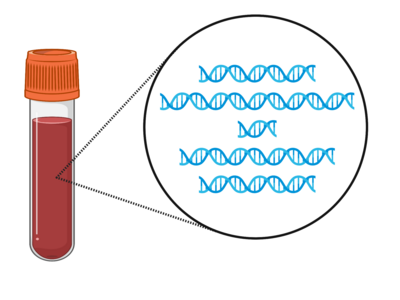
Researchers have developed a blood test that, in a preliminary study, accurately detected liver cancer, including in people with early-stage disease. The test uses a new type of technology called fragmentomics to analyze bits of DNA in the blood.
-

A new study shows for the first time that a circular form of DNA, called ecDNA, is present in precancerous tissue and not just cancer cells. The study also suggested that when ecDNA is present in Barrett’s esophagus, that tissue is almost certain to become cancer.
-

People with desmoplastic melanoma, a rare form of skin cancer, are likely to benefit from treatment with a single immunotherapy drug, pembrolizumab (Keytruda), according to new results from a small clinical trial.
-
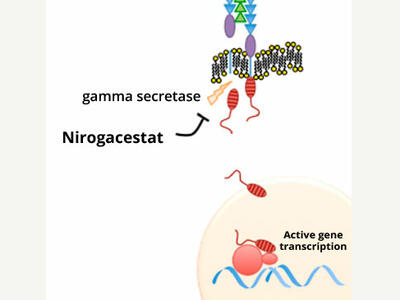
In a clinical trial, the drug nirogacestat shrank tumors in 40% of people with desmoid tumors. Treatment with nirogacestat also substantially improved progression-free survival, pain, and physical functioning, compared with patients treated with a placebo.