
2017 - Cancer Currents Blog
-
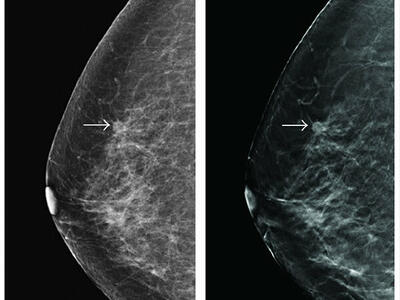
A large nationwide clinical trial called TMIST has been launched to compare two techniques used for mammograms: tomosynthesis, often called 3D mammography, and standard 2D digital mammography.
-
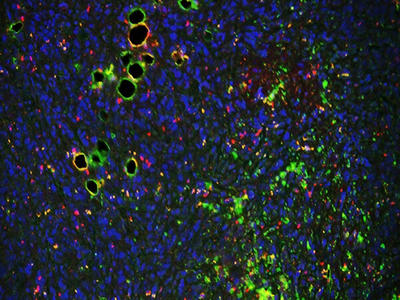
FDA approved abemaciclib (Verzenio™) for the treatment of some people with advanced or metastatic HR-positive, HER2-negative breast cancer whose disease has progressed after treatment with hormone therapy.
-
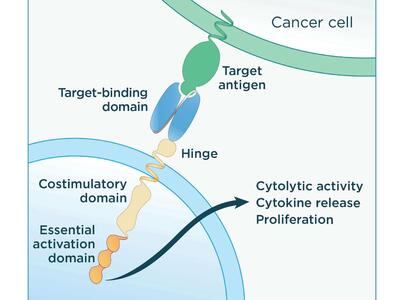
One month after approving the first CAR T-cell therapy for cancer, FDA has approved a second such therapy. The treatment, axicabtagene ciloleucel (Yescarta™), was approved for some patients with advanced non-Hodgkin lymphoma.
-
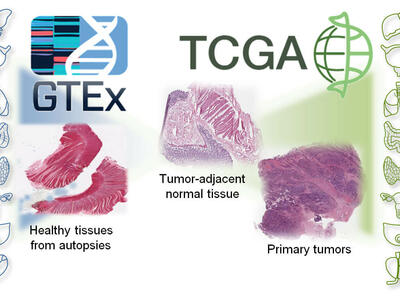
The tissue immediately surrounding a tumor may not be normal, even if it appears normal under the microscope, according to an analysis of data from two genomic databases.
-
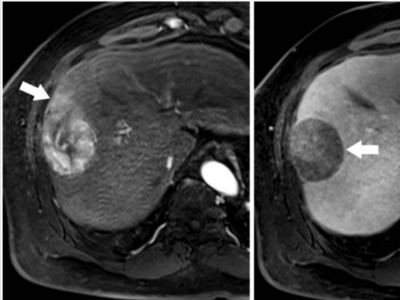
The FDA has granted accelerated approval to the immunotherapy drug nivolumab (Opdivo®) for patients with advanced liver cancer who have previously been treated with the targeted therapy sorafenib (Nexavar®).
-
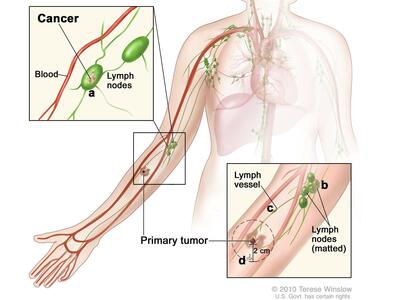
Two recent clinical trials have identified treatments that may delay cancer from returning in some patients with melanoma. Patients in both trials had advanced melanoma that was surgically removed, and each trial tested different forms of post-surgical, or adjuvant, therapy.
-
FDA has granted accelerated approval to copanlisib (Aliqopa®) for the treatment of patients with follicular lymphoma, a form of non-Hodgkin lymphoma.
-
The FDA has granted accelerated approval to the immunotherapy drug pembrolizumab (Keytruda®) for use in patients with advanced gastric (stomach) cancer that is PD-L1 positive.
-
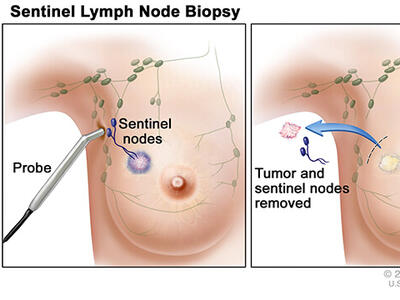
Long-term results from a large clinical trial confirm that, for some women with early-stage breast cancer who have lumpectomy as their surgical treatment, a less extensive lymph node biopsy approach is sufficient.
-
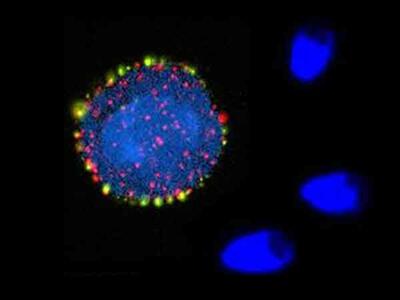
By comparing the genomes of women infected with a high-risk type of human papillomavirus (HPV), researchers have found that a precise DNA sequence of a viral gene is associated with cervical cancer.