
2023 - Cancer Currents Blog
-

In a survey of more than 100 US community cancer clinics, only 16% routinely screened informal caregivers of their patients for distress. In contrast, more than 90% regularly screened patients for distress and provided referrals to supportive care services.
-
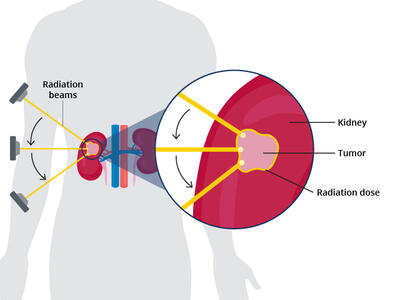
Stereotactic body radiotherapy was effective in people with localized kidney cancer who weren’t able to have surgery to remove their tumor, a clinical trial has shown. No patients had their cancer start growing or died from cancer over the next 5 years.
-
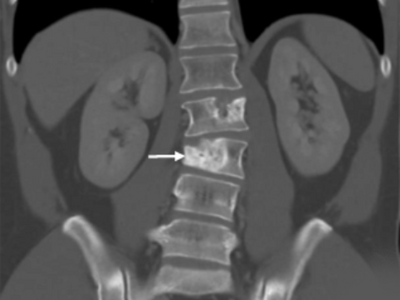
Treatment with atezolizumab (Tecentriq) shrank tumors in about 40% of people with alveolar soft part sarcoma, including one complete response, new clinical trial findings show. Some people were later able to stop treatment without the cancer returning.
-

The ENLACE study is the first to use cutting-edge technologies to describe the molecular features of colorectal tumors in Hispanic and Latino people. The study’s goals are to improve treatments and increase Hispanic/Latino engagement in cancer research.
-
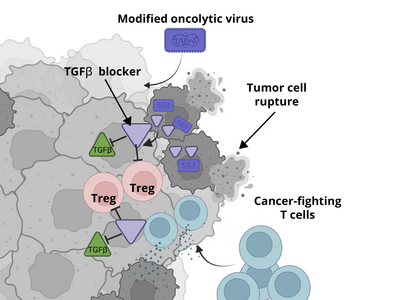
A cancer-infecting virus engineered to tamp down a tumor’s ability to suppress the immune system shrank tumors in mice, a new study shows. The modified oncolytic virus worked even better when used along with an immune checkpoint inhibitor.
-

Using computer-aided detection (CAD) during a colonoscopy doesn’t help doctors find the growths most likely to become colorectal cancer, two studies find. Researchers agreed that CAD, which is aided by artificial intelligence technology, needs further refinement.
-

Can AI chatbots give people accurate information about cancer and its treatment? The answer appears to be: Not yet. Results from two studies have found that, although AI chatbots can gather cancer information from reputable sources, their responses to questions about treatment and other topics can include errors and omissions.