
Screening & Early Detection - Cancer Currents Blog
News about research on cancer screening and early detection. Includes stories on the impact of screening, new technologies, and approaches to improving the safety and efficacy of screening.
-

In a clinical trial, a simple letter and phone call helped increase the number of people who completed the recommended follow-up testing after an abnormal cancer screening result.
-
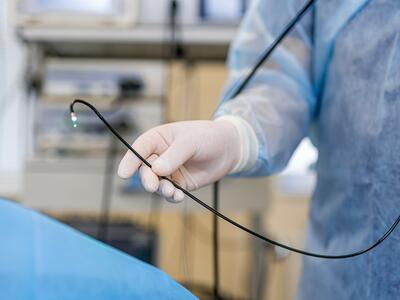
Using computer-aided detection (CAD) during a colonoscopy doesn’t help doctors find the growths most likely to become colorectal cancer, two studies find. Researchers agreed that CAD, which is aided by artificial intelligence technology, needs further refinement.
-
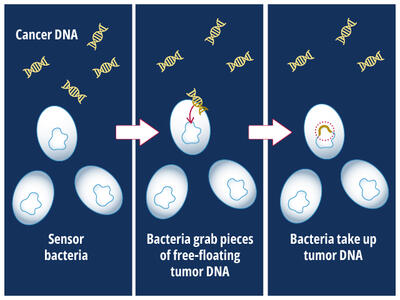
Engineered bacteria can detect tumor DNA that has been shed into the gut by colorectal tumors, a new study in mice shows. The bacteria are programmed to seek and capture DNA containing a specific genetic change found in cancer.
-
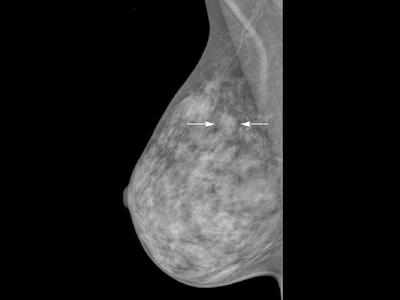
For women in their 70s and older, the risk of overdiagnosis with routine screening mammography is substantial, a new study suggests. The findings highlight the need for conversations between older women and their health care providers about the potential benefits and harms of continuing screening mammography.
-

It may be worthwhile for some individuals between ages 65 and 69 to get tested for HPV, findings from a Danish study suggest. Specifically, the testing may help prevent cervical cancer among those who haven’t had cervical cancer screening for at least 5 years.
-
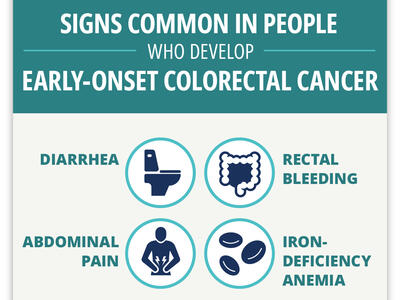
Researchers have identified four warning signs that they believe may help identify colorectal cancer early in younger adults. The signs or symptoms are abdominal pain, rectal bleeding, diarrhea, and iron deficiency anemia.
-

When it comes to cancer prevention, primary care clinicians play a critical role. But there are many barriers to integrating cancer prevention into primary care. Researchers are trying to better understand those barriers and how best to overcome them.
-

In a new study, providing rural women with an interactive video about cancer screening and follow-up calls with patient navigators helped get them up to date on screenings for breast, cervical, and colorectal cancer.
-
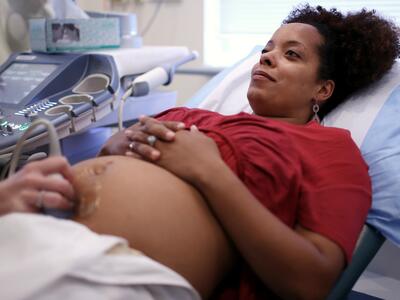
An NIH-led study called IDENTIFY is analyzing what happens when prenatal blood tests in a pregnant person suggests the person may have cancer. Dr. Diana Bianchi and Amy Turriff talk about their experience with the study thus far.
-
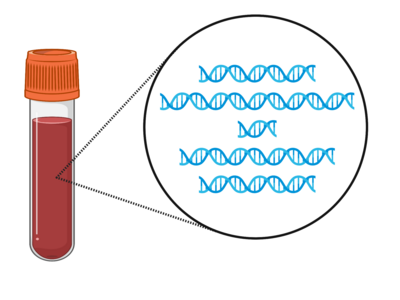
Researchers have developed a blood test that, in a preliminary study, accurately detected liver cancer, including in people with early-stage disease. The test uses a new type of technology called fragmentomics to analyze bits of DNA in the blood.