
Technology - Cancer Currents Blog
News and commentaries on technology used to conduct cancer research, deliver cancer treatment, improve patient care, and screen for cancer, as well as other topics.
-
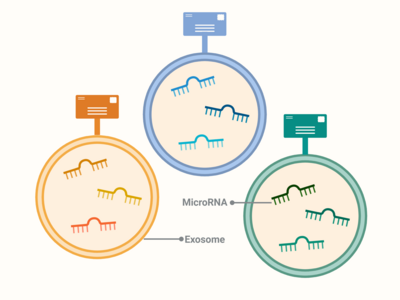
In a new study involving nearly 1,000 people, a liquid biopsy accurately detected early- and late-stage pancreatic cancer. When paired with a test for the protein CA19-9, the combination accurately identified 97% of people with early-stage disease.
-

In an event more than three decades in the making, FDA has approved lifileucel (Amtagvi), the first cancer treatment that uses immune cells called tumor-infiltrating lymphocytes, or TILs.
-
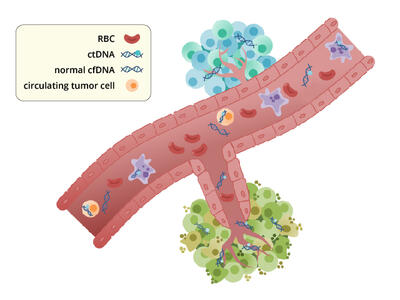
Results from a new study suggest that the presence of circulating tumor DNA (ctDNA) in blood samples can predict which patients with colorectal cancer should and shouldn’t get chemotherapy after surgery to remove their tumors.
-
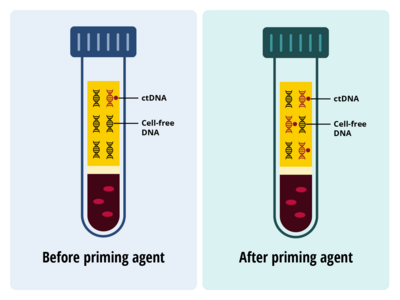
Using two different techniques, researchers showed they could temporarily boost ctDNA levels in the blood of mice with tumors. With more ctDNA in collected blood draws, a liquid biopsy could better detect cancer, the research team found.
-
The Food and Drug Administration (FDA) for the first time has granted marketing authorization for a blood test, the Invitae Common Hereditary Cancers Panel. The test detects inherited genetic changes that increase the risk of developing certain cancers.
-
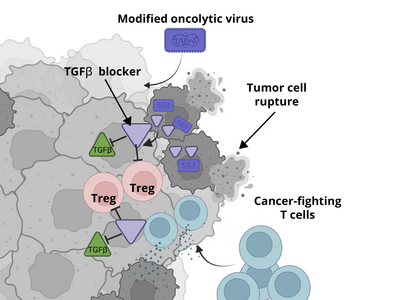
A cancer-infecting virus engineered to tamp down a tumor’s ability to suppress the immune system shrank tumors in mice, a new study shows. The modified oncolytic virus worked even better when used along with an immune checkpoint inhibitor.
-
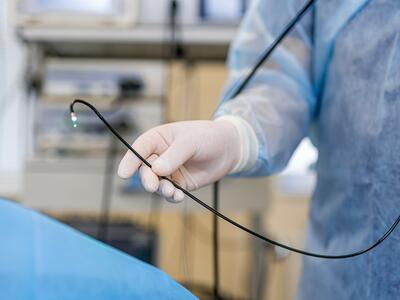
Using computer-aided detection (CAD) during a colonoscopy doesn’t help doctors find the growths most likely to become colorectal cancer, two studies find. Researchers agreed that CAD, which is aided by artificial intelligence technology, needs further refinement.
-

Can AI chatbots give people accurate information about cancer and its treatment? The answer appears to be: Not yet. Results from two studies have found that, although AI chatbots can gather cancer information from reputable sources, their responses to questions about treatment and other topics can include errors and omissions.
-
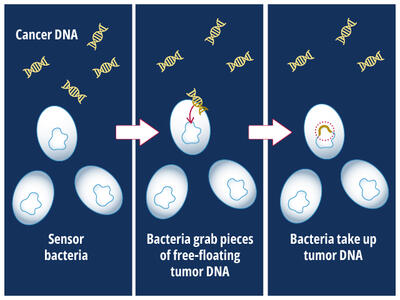
Engineered bacteria can detect tumor DNA that has been shed into the gut by colorectal tumors, a new study in mice shows. The bacteria are programmed to seek and capture DNA containing a specific genetic change found in cancer.
-
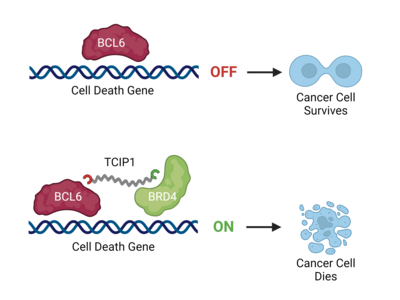
Researchers have created a molecule that, in cancer cells, hooks onto the protein BCL6 at one end and another protein that turns genes on at the other end. The result: self-destruct genes are turned up, causing the cancer cells to die.