
Cancer Currents: An NCI Cancer Research Blog
A blog featuring news and research updates from the National Cancer Institute.

-

Using computer-aided detection (CAD) during a colonoscopy doesn’t help doctors find the growths most likely to become colorectal cancer, two studies find. Researchers agreed that CAD, which is aided by artificial intelligence technology, needs further refinement.
-

Can AI chatbots give people accurate information about cancer and its treatment? The answer appears to be: Not yet. Results from two studies have found that, although AI chatbots can gather cancer information from reputable sources, their responses to questions about treatment and other topics can include errors and omissions.
-
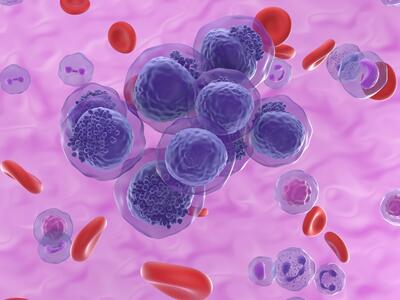
Researchers have used a form of CRISPR, called base editing, to engineer T cells and hematopoietic stem cells as part of a potential “universal” CAR T-cell therapy for blood cancers. In experiments in mice, the treatment rapidly eliminated tumors, including in mice with acute myeloid leukemia (AML).
-
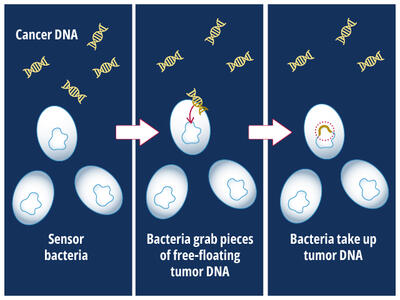
Engineered bacteria can detect tumor DNA that has been shed into the gut by colorectal tumors, a new study in mice shows. The bacteria are programmed to seek and capture DNA containing a specific genetic change found in cancer.
-

Many people being treated for cancer and longer-term cancer survivors reported regularly drinking alcohol—some heavily and often, a new study shows. The study’s leaders said the findings should be “wake-up call” for cancer care providers.
-
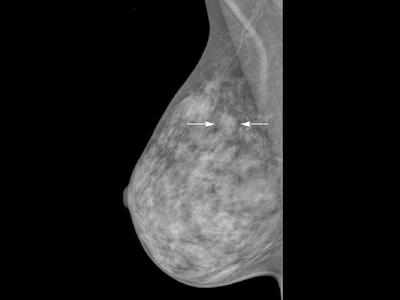
For women in their 70s and older, the risk of overdiagnosis with routine screening mammography is substantial, a new study suggests. The findings highlight the need for conversations between older women and their health care providers about the potential benefits and harms of continuing screening mammography.
-

The cholesterol-lowering drug atorvastatin (Lipitor) may help reduce the risk of heart failure in people with lymphoma who receive chemotherapy drugs called anthracyclines, results from a clinical trial suggest. Anthracyclines, such as doxorubicin, are used to treat many types of cancer.
-

It may be worthwhile for some individuals between ages 65 and 69 to get tested for HPV, findings from a Danish study suggest. Specifically, the testing may help prevent cervical cancer among those who haven’t had cervical cancer screening for at least 5 years.
-
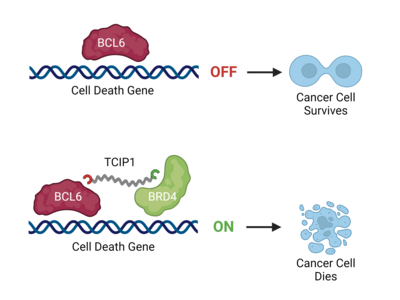
Researchers have created a molecule that, in cancer cells, hooks onto the protein BCL6 at one end and another protein that turns genes on at the other end. The result: self-destruct genes are turned up, causing the cancer cells to die.
-

An NCI-supported study called OPTIMUM, part of the Cancer Moonshot, was launched to improve the care of people with brain tumors called low-grade glioma in part by bringing them into glioma-related research.