
Treatment - Cancer Currents Blog
Cancer treatment related news, with context from leading experts. Includes articles on new therapies, treatment side effects, and important trends in treatment-related research.
-
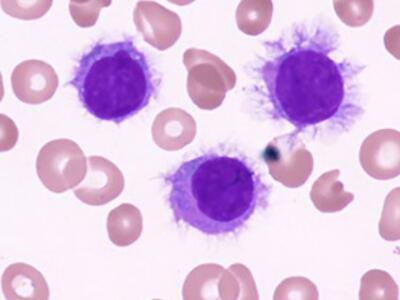
In a small study, vemurafenib (Zelboraf) and rituximab (Rituxan) helped 85% of participants stay in remission for nearly 3 years. The study involved 30 people with hairy cell leukemia that had come back after or had not responded to previous treatment.
-

Fewer women with early-stage cervical cancer are having minimally invasive surgery, including robotic, as part of their treatment, a new study shows. The shift toward more open surgeries follows the release of results from the LACC trial in 2018.
-

Can some people with HPV-related oropharyngeal cancer, a type of head and neck cancer, get less intense treatment without risking their cancer coming back? Researchers are trying to find out.
-
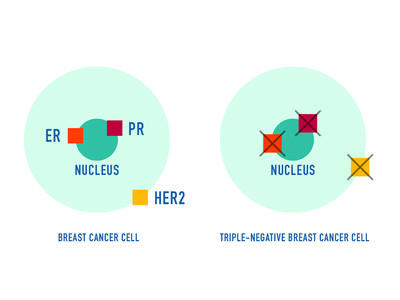
Sacituzumab govitecan (Trodelvy) now has regular FDA approval for people with locally advanced or metastatic triple-negative breast cancer (TNBC). The update follows last year’s accelerated approval of the drug for people with TNBC.
-

Combining the chemotherapy drug topotecan and the investigational drug berzosertib shrank tumors in some patients with small cell lung cancer, results from an NCI-supported phase 1 clinical trial show. Two phase 2 trials of the combination are planned.
-
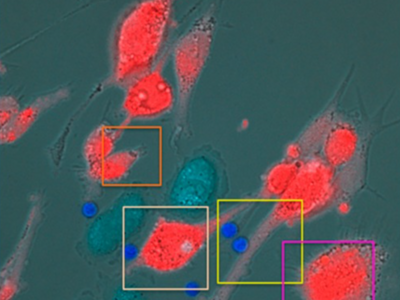
In a large trial, tebentafusp helped patients with uveal melanoma live longer than patients who received other treatments for the disease. Uveal melanoma is an aggressive cancer of the eye, and many patients do not survive for a year once it has spread.
-
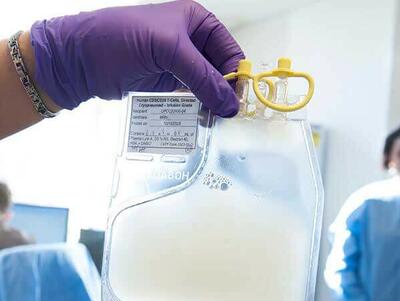
The Food and Drug Administration has approved idecabtagene vicleucel (Abecma) for some people with multiple myeloma. The approval is based, in part, on a small study in which ide-cel partially or completely shrank tumors in 72% of patients.
-

For people with acute myeloid leukemia and related cancers, a new study shows whole-genome sequencing could replace a series of conventional tests used to help guide decisions about treatment.
-
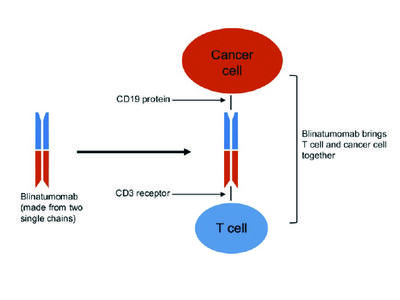
The results of two trials establish blinatumomab (Blincyto) as a new standard treatment for children and young adults with high-risk relapsed B-cell acute lymphoblastic leukemia after remission has been achieved and before a stem cell transplant.
-
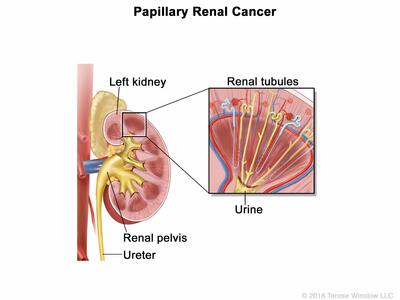
Cabozantinib (Cabometyx) is an effective initial treatment for people with metastatic papillary renal cell carcinoma (PRCC), a rare type of kidney cancer. A clinical trial showed the drug was more effective than the current standard treatment.