Cancer Currents: An NCI Cancer Research Blog
A blog featuring news and research updates from the National Cancer Institute. Learn more about Cancer Currents.

-
Studies Delve Deep into the Protein Machinery of Cancer Cells
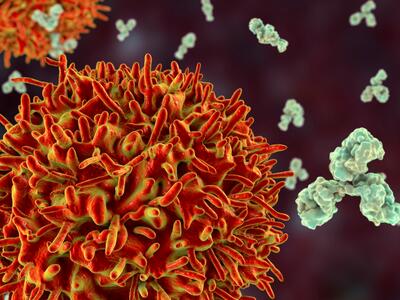
A research team has identified common interactions between cancer-related proteins in cancer cells. They also created a map of how these protein complexes function in those cells and identified a promising treatment target for head and neck cancer.
-
Does Too Much Fructose Help Colorectal Cancers Grow?
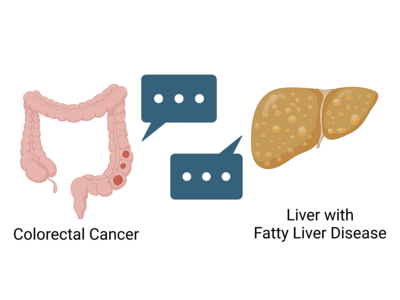
Excess fructose can promote obesity and colorectal cancer, a new study shows. In mice, the study found that the sweetener, a component of table sugar and high-fructose corn syrup, increased how long normal and cancer cells in the intestines live.
-
Adjuvant Immunotherapy Approved for Some Patients with Lung Cancer
Atezolizumab (Tecentriq) is now the first immunotherapy approved by FDA for use as an additional, or adjuvant, treatment for some patients with non-small cell lung cancer. The approval was based on results of a clinical trial called IMpower010.
-
Despite Proven Safety of HPV Vaccines, More Parents Have Concerns
Despite consistent evidence that HPV vaccines are safe and effective, a new study shows that more parents are citing concerns about their safety. Researchers cautioned that efforts are needed to counter this trend and improve vaccination rates.
-
Enhertu May Be Preferred Therapy for Some Metastatic Breast Cancers
In people with metastatic HER2-positive breast cancer, the targeted drug trastuzumab deruxtecan (Enhertu) markedly lengthened progression-free survival compared with trastuzumab emtansine (Kadcycla), new study results show.
-
From Scan to Scan: The Challenges of Living with Metastatic Cancer
New treatments are helping more people with advanced or metastatic cancer live longer. At a recent NCI conference, survivors and researchers came together to discuss how to better address the needs of those living with metastatic cancer.
-
Pembrolizumab May Help Prevent Early-Stage Melanoma from Returning
Trial results show patients who received the immunotherapy pembrolizumab (Keytruda) after surgery to remove high-risk stage II melanomas were less likely to have the cancer come back than those who received no treatment after surgery.
-
Combo of Ribociclib, Letrozole Improves Survival in Advanced Breast Cancer
In a large clinical trial, women with HR-positive, HER2-negative metastatic breast cancer treated with ribociclib (Kisqali) and letrozole (Femara) as their initial treatment lived approximately 1 year longer than women treated with letrozole only.
-
Breast Cancer Surgery Choice May Affect Young Survivors’ Quality of Life
Women with early-stage breast cancer who had one or both breasts surgically removed (a unilateral or bilateral mastectomy) had lower scores on a quality-of-life survey than women who had breast-conserving surgery, a new study has found.
-
Why Have Thyroid Cancer Diagnoses Spiked for US Women?
Women are far more likely than men to be diagnosed with small thyroid cancers that probably would have never caused problems during their lifetime, a new study finds. The results may help explain why thyroid cancer seems to be more common in women.
-
Extra or Missing Chromosomes May Help Cancer Cells Survive Treatment
Aneuploidy—when cells have too many or too few chromosomes—is common in cancer cells, but scientists didn’t know why. Two new studies suggest that aneuploidy helps the cells survive treatments like chemotherapy and targeted therapies.
-
Belzutifan Approved to Treat Tumors Linked to Inherited Disorder VHL
FDA has approved belzutifan (Welireg) to treat adults with von Hippel-Lindau disease (VHL) who have tumors of the kidney, brain, nervous system, or pancreas. The drug may help these patients avoid or delay surgery by shrinking their tumors.
-
Seeing a Promising Future for Progress against Childhood Cancer
NCI Director Dr. Ned Sharpless discusses progress against childhood cancers, like CAR T-cell therapy and collecting more comprehensive data on children and adolescents with cancer, and the need to better address disparities in childhood cancer.
-
Quitting Smoking Improves Survival in People with Lung Cancer
Quitting smoking after a diagnosis of early-stage lung cancer may help people live longer, a new study finds. The study, which included more than 500 patients, also found that quitting smoking delayed the cancer from returning or getting worse.
-
Addressing the Challenges of Cancer Misinformation on Social Media
Misinformation about cancer is abundant on social media, including stories that describe miraculous results from treatments that are unproven and potentially harmful. Researchers are studying misinformation and its impact on people with cancer.
-
Gut Microbes May Influence How Well Radiation Therapy Works against Cancer
New research suggests that fungi in the gut may affect how tumors respond to cancer treatments. In mice, when bacteria were eliminated with antibiotics, fungi filled the void and impaired the immune response after radiation therapy, the study found.
-
COVID-19, Vaccines, and the Immune System: Emerging Research from NCI’s SeroNet
In this Q&A, leaders of NCI’s SeroNet program discuss new research findings on the immune response to the virus that causes COVID-19, new variants of the virus, and the COVID-19 vaccines. They also discuss the effects of the vaccines on people with cancer.
-
Physical Activity May Lessen the Effects of Chemo Brain, Study Finds
For women undergoing chemotherapy for breast cancer, meeting the national physical activity guidelines may help alleviate cognitive issues, a new study suggests. The benefits may be even greater for patients who were physically active before treatment.
-
Opioid Use Drops among Cancer Patients at End of Life
According to a new study, among people with cancer in the last month of their lives, filled prescriptions for opioids to control pain have dropped and emergency room visits for pain have increased dramatically.
-
FDA Approves Belumosudil to Treat Chronic Graft-Versus-Host Disease
FDA has approved belumosudil (Rezurock) for the treatment of chronic graft-versus-host disease (GVHD). The approval covers the use of belumosudil for people 12 years and older who have already tried at least two other therapies.