
Cancer Currents: An NCI Cancer Research Blog
A blog featuring news and research updates from the National Cancer Institute.

-
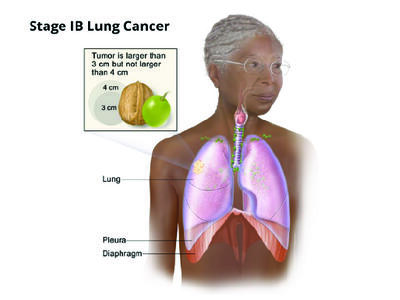
In the ADAURA clinical trial, people with early-stage lung cancer treated with osimertinib (Tagrisso) after surgery lived longer than people treated with a placebo after surgery. Despite some criticisms about its design, the trial is expected to change patient care.
-

In a large clinical trial, vorasidenib slowed the growth of low-grade gliomas that had mutations in the IDH1 or IDH2 genes. Vorasidenib is the first targeted drug developed specifically to treat brain tumors.
-
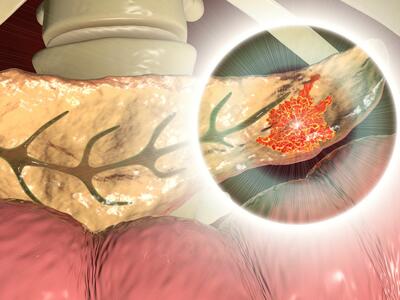
A new study finds that pancreatic cancer cells have a ready way to overcome a lack of glucose, a frequent occurrence in this disease. They use another fuel source: a molecule called uridine. Findings from a related study suggest other cancers do as well.
-

Researchers have found that the aggressive brain cancer glioblastoma can co-opt the formation of new synapses to fuel its own growth. This neural redirection also appears to play a role in the devastating cognitive decline seen in many people with glioblastoma.
-
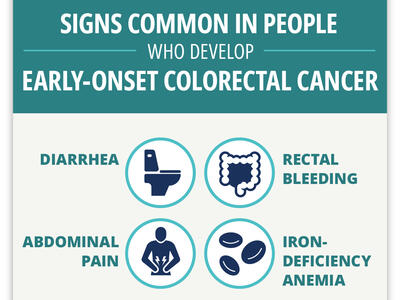
Researchers have identified four warning signs that they believe may help identify colorectal cancer early in younger adults. The signs or symptoms are abdominal pain, rectal bleeding, diarrhea, and iron deficiency anemia.
-

Giving the drug blinatumomab (Blincyto) after standard chemotherapy substantially increased survival for infants with an aggressive form of acute lymphoblastic leukemia (ALL), a recent study showed. If confirmed in larger studies, the treatment may become standard therapy for infants with ALL caused by KMT2A rearrangements.
-

When it comes to cancer prevention, primary care clinicians play a critical role. But there are many barriers to integrating cancer prevention into primary care. Researchers are trying to better understand those barriers and how best to overcome them.
-

In a new study, providing rural women with an interactive video about cancer screening and follow-up calls with patient navigators helped get them up to date on screenings for breast, cervical, and colorectal cancer.
-

A new treatment regimen may help improve the survival of some people with advanced colorectal cancer, according to results from an international clinical trial. The new regimen includes bevacizumab (Avastin) and the combination of trifluridine and tipiracil (Lonsurf).
-

In a clinical trial of people with multiple myeloma, giving motixafortide with filgrastim markedly increased the number of stem cells that could be collected. The treatment may allow more people with this cancer to get optimal numbers of stem cells for a transplant.