
Cancer Currents: An NCI Cancer Research Blog
A blog featuring news and research updates from the National Cancer Institute.

-

An NIH-led study called IDENTIFY is analyzing what happens when prenatal blood tests in a pregnant person suggests the person may have cancer. Dr. Diana Bianchi and Amy Turriff talk about their experience with the study thus far.
-
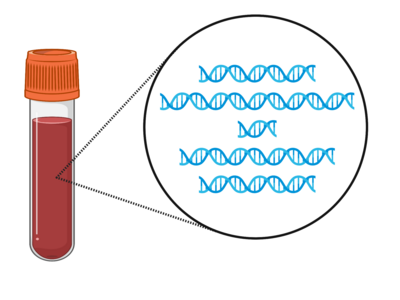
Researchers have developed a blood test that, in a preliminary study, accurately detected liver cancer, including in people with early-stage disease. The test uses a new type of technology called fragmentomics to analyze bits of DNA in the blood.
-

A new study shows for the first time that a circular form of DNA, called ecDNA, is present in precancerous tissue and not just cancer cells. The study also suggested that when ecDNA is present in Barrett’s esophagus, that tissue is almost certain to become cancer.
-

People with desmoplastic melanoma, a rare form of skin cancer, are likely to benefit from treatment with a single immunotherapy drug, pembrolizumab (Keytruda), according to new results from a small clinical trial.
-
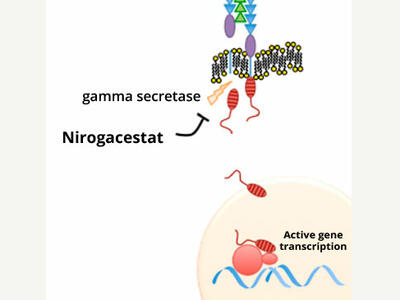
In a clinical trial, the drug nirogacestat shrank tumors in 40% of people with desmoid tumors. Treatment with nirogacestat also substantially improved progression-free survival, pain, and physical functioning, compared with patients treated with a placebo.
-

A new study has compared three formulations of an mRNA vaccine designed to treat cancers caused by human papillomavirus (HPV) infections. All three vaccines showed promise in mice.
-

The high cost of cancer care can cause added distress and life disruptions for patients as well as their loved ones. Researchers at the University of Kentucky Markey Cancer Center found that a financial navigation program saved patients and their loved ones an average of about $2,500 each.
-
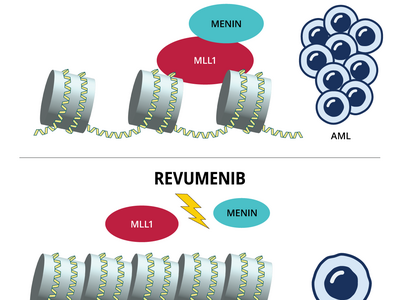
Treatment with revumenib caused complete remission in about one-third of participants in an early-phase clinical trial involving patients who’d had many prior treatments. Revumenib is part of a new class of targeted drugs known as menin inhibitors.
-

In this Q&A, NCI Director Dr. Monica Bertagnolli and Deputy Director for Clinical and Translational Research Dr. James Doroshow explain the challenges of cancer clinical trials and important steps NCI is taking to improve their effectiveness.
-
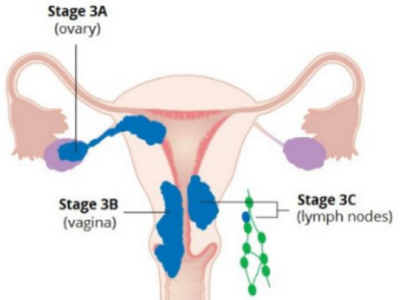
In two clinical trials, combining immune checkpoint inhibitors with standard chemotherapy substantially increased how long people with advanced endometrial cancer lived without their cancer worsening, particularly those with dMMR or MSI-high tumors.