
Clinical Trial Results - Cancer Currents Blog
Reports on findings from cancer clinical trials, with commentary from leading researchers on how the trial results will affect patient care.
-

In two large clinical trials, adding the hormone-blocking drug abiraterone to androgen-deprivation therapy (ADT) allowed men with metastatic hormone-sensitive prostate cancer to live longer than men who were treated with ADT alone.
-
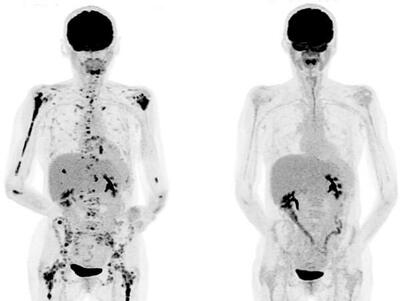
Results from two early-phase trials presented at the American Society of Clinical Oncology annual meeting suggest that an immunotherapy using genetically engineered immune cells may be effective in patients with advanced multiple myeloma.
-

Findings from a new study show testing for two biomarkers in urine may help some men avoid an unnecessary biopsy to detect a suspected prostate cancer.
-

A shorter course of chemotherapy following surgery may be preferred to longer treatment for some patients with colon cancer, results of an international collaborative study suggest.
-
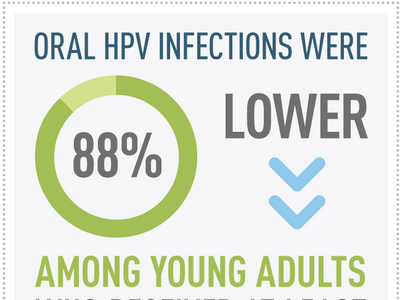
A study of more than 2,600 young adults found that the prevalence of oral infection with four HPV types, including two cancer-causing types, was 88% lower in those who reported receiving at least one dose of an HPV vaccine than in those not vaccinated.
-

Researchers at Memorial Sloan Kettering Cancer Center have reported the results of an initiative to characterize the genetic mutations in tumors from more than 10,000 patients with advanced cancer treated at the center.
-
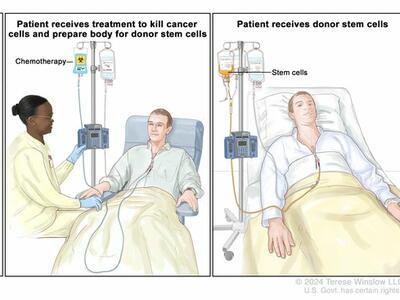
Results from a large phase III clinical trial suggest that a highly intensive preparatory regimen should be used for younger patients with acute myeloid leukemia or myelodysplastic syndromes preparing to undergo an allogeneic stem cell transplant.
-

In a randomized trial, low-income women who role-played talking with their doctor about their survivorship care plan in a counseling session reported receiving more of their recommended care than women who did not get counseling.
-

Cancer patients, even those who are undergoing difficult treatments, are willing to devote time to completing thorough assessments of the side effects they encounter in clinical trials, a new study finds.
-
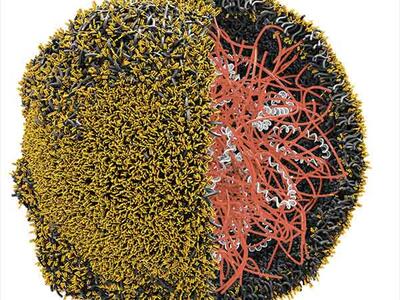
Researchers have developed a method to genetically engineer cancer-fighting immune cells in living animals using nanoparticles that carry DNA. The new study shows that the resulting immune cells, known as CAR T cells, eliminated leukemia in mice.