
Clinical Trial Results - Cancer Currents Blog
Reports on findings from cancer clinical trials, with commentary from leading researchers on how the trial results will affect patient care.
-

In a phase II clinical trial, some patients with metastatic Merkel cell carcinoma whose cancer has progressed despite treatment with chemotherapy had durable tumor responses to the immunotherapy drug avelumab.
-

A drug currently used to treat several psychiatric conditions can help prevent nausea and vomiting in patients receiving chemotherapy, a large clinical trial showed.
-

Results from a recent clinical trial showed that extending adjuvant therapy with an aromatase inhibitor to 10 years after initial treatment can have important benefits for postmenopausal women with early-stage hormone receptor–positive breast cancer.
-

Encouraging findings from several early-stage clinical trials featured at the 2016 American Society of Clinical Oncology annual meeting support the promise of precision medicine and immunotherapy.
-

Results from two clinical trials show that treating patients with the chemotherapy drug temozolomide in addition to radiation therapy increased overall and progression-free survival.
-

After rising steadily since the 1990s, the incidence of thyroid cancer in the United States may be leveling off, according to an analysis of data from NCI’s SEER program.
-
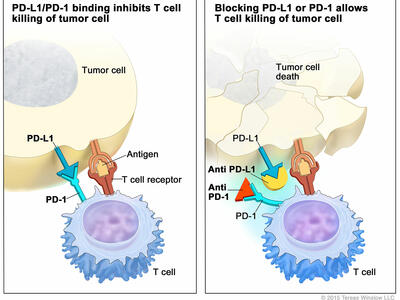
In a small clinical trial, more than half of the patients with an aggressive form of skin cancer called Merkel cell carcinoma responded to the immunotherapy drug pembrolizumab.
-
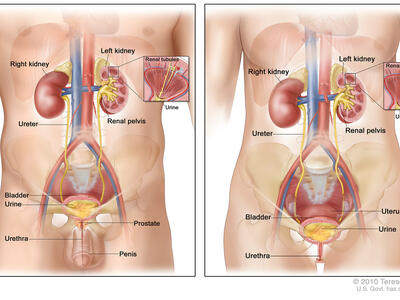
Results from a recent clinical trial show that post-surgical therapy with two anti-angiogenesis drugs does not improve progression-free survival for patients with kidney cancer and may cause serious side effects.
-

In a small clinical trial of people with an inherited condition that greatly increases gastrointestinal cancer risk, a two-drug combination shrank precancerous lesions in the duodenum.
-

Patients who took part in a tailored, video-based educational program had a better understanding of and fewer concerns about participating in clinical trials than patients who received text-based educational.