
Clinical Trial Results - Cancer Currents Blog
Reports on findings from cancer clinical trials, with commentary from leading researchers on how the trial results will affect patient care.
-
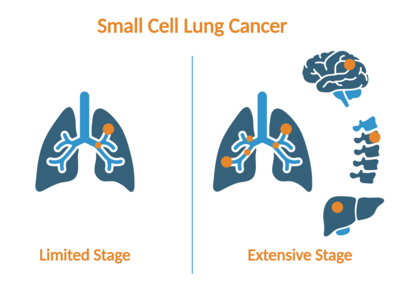
The immunotherapy drug durvalumab (Imfinzi) can help people with early-stage small cell lung cancer live longer, results from a large clinical trial show. Three years after starting treatment, nearly 60% of people who received the drug were still alive.
-
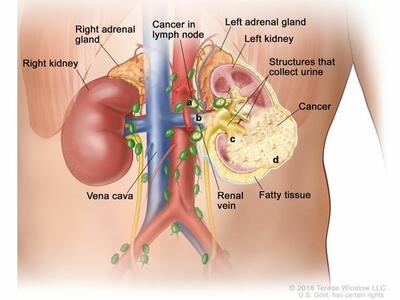
In a large clinical trial, treatment with pembrolizumab after surgery helped people with kidney cancer live longer than those who got a placebo and standard monitoring. The findings mark the first time an adjuvant treatment for kidney cancer has improved survival.
-

Assessing and offering people with cancer stepped collaborative care may help better manage symptoms of depression, pain, and fatigue than the standard referral to providers for treatment, according to a recent study.
-
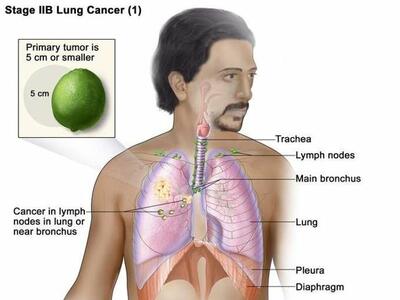
FDA has approved alectinib (Alecensa) as adjuvant therapy for people with lung cancer who have ALK-positive tumors. In a clinical trial, alectinib helped people live longer after surgery without their cancer returning than chemotherapy.
-
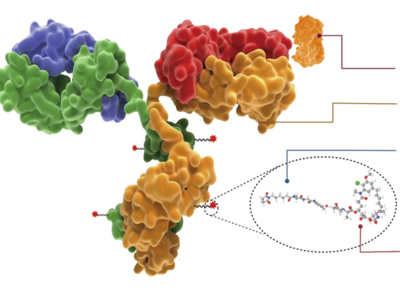
FDA approved mirvetuximab soravtansine-gynx (Elahere) to treat people with advanced, platinum-resistant ovarian cancer whose tumors overproduce a protein called FR-α. The full approval was based on the results of a large, randomized trial called MIRASOL, which showed Elahere improved survival for these people.
-

For some people with early-stage cervical cancer, a surgical procedure called a simple hysterectomy may be a safe and effective alternative to treatment with a radical hysterectomy, results from the SHAPE trial show.
-

In a clinical trial, an injectable form of nivolumab (Opdivo) was as effective against kidney cancer as the intravenous form of the drug. Side effects were also similar and treatment time was shorter. Injectable immunotherapies, several experts said, if found to be comparable to IV forms, can be more convenient to receive and accessible to more people.
-
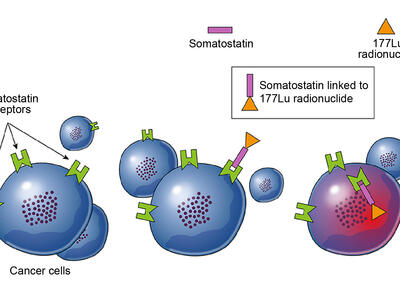
Adding Lu 177-dotate to the initial treatment of certain advanced neuroendocrine tumors nearly tripling the length of time people survive without their tumors getting worse, according to new clinical trial results.
-

The results of the clinical trial that led to FDA’s 2023 approval of repotrectinib (Augtyro) for lung cancers with ROS1 fusions have been published. The drug shrank tumors in 80% of people receiving the drug as an initial treatment.
-
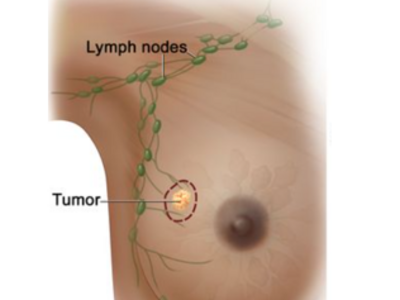
Some people with no evidence of cancer in nearby lymph nodes after presurgical chemotherapy can skip radiation to that area without increasing the risk of the cancer returning, a clinical trial found. But some experts caution that more details are needed.