
Treatment - Cancer Currents Blog
Cancer treatment related news, with context from leading experts. Includes articles on new therapies, treatment side effects, and important trends in treatment-related research.
-
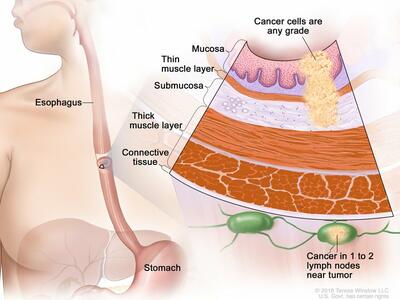
For people with locally advanced esophageal cancer, a chemotherapy regimen called FLOT is the preferred treatment, according to results from a large clinical trial. People treated with FLOT lived much longer than those treated with the CROSS regimen.
-
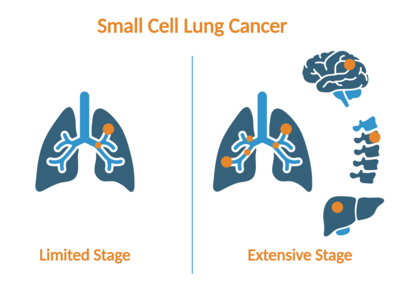
The immunotherapy drug durvalumab (Imfinzi) can help people with early-stage small cell lung cancer live longer, results from a large clinical trial show. Three years after starting treatment, nearly 60% of people who received the drug were still alive.
-

When it comes to cancer drugs, researchers are moving away from a paradigm called the maximum tolerated dose. Instead, they’re focusing more on identifying doses that produce fewer side effects but are still effective against a person’s cancer.
-
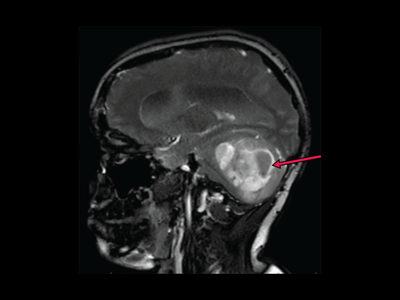
FDA has granted an accelerated approval to tovorafenib (Ojemda) for kids and teens who have low-grade glioma with changes in the BRAF gene. In a small clinical trial, the drug shrank or completely eliminated tumors in nearly 70% of patients.
-
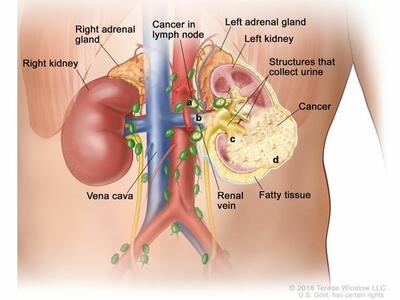
In a large clinical trial, treatment with pembrolizumab after surgery helped people with kidney cancer live longer than those who got a placebo and standard monitoring. The findings mark the first time an adjuvant treatment for kidney cancer has improved survival.
-
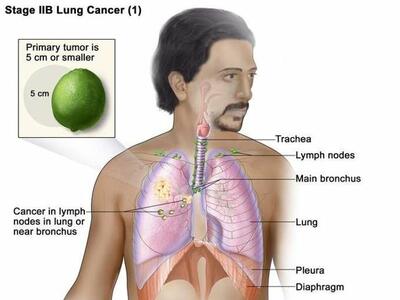
FDA has approved alectinib (Alecensa) as adjuvant therapy for people with lung cancer who have ALK-positive tumors. In a clinical trial, alectinib helped people live longer after surgery without their cancer returning than chemotherapy.
-

Trastuzumab deruxtecan (Enhertu) can now be used to treat any advanced solid cancer that produces high levels of the protein HER2 (HER2-positive tumors). FDA’s accelerated approval was based on findings from three clinical trials.
-
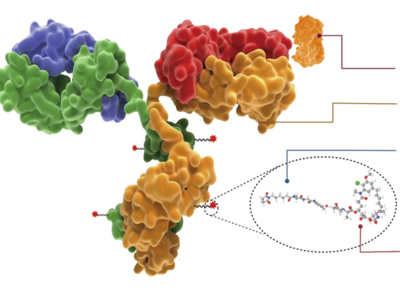
FDA approved mirvetuximab soravtansine-gynx (Elahere) to treat people with advanced, platinum-resistant ovarian cancer whose tumors overproduce a protein called FR-α. The full approval was based on the results of a large, randomized trial called MIRASOL, which showed Elahere improved survival for these people.
-
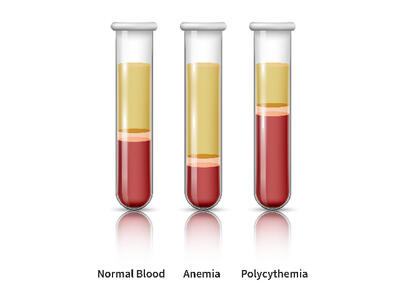
Adding rusfertide to treatment for polycythemia vera cut phlebotomy rates from nine to less than one per year in a recent clinical trial. The finding may improve the quality of life for those who manage the blood cancer with frequent blood draws.
-

For some people with early-stage cervical cancer, a surgical procedure called a simple hysterectomy may be a safe and effective alternative to treatment with a radical hysterectomy, results from the SHAPE trial show.