
Clinical Trial Results - Cancer Currents Blog
Reports on findings from cancer clinical trials, with commentary from leading researchers on how the trial results will affect patient care.
-
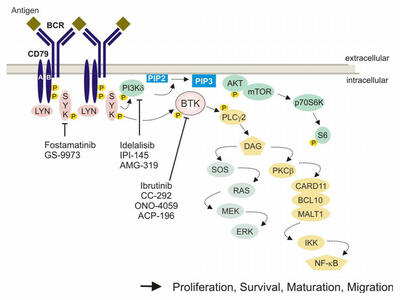
Reports from early-stage trials of two new oral drugs provide hope for patients with high-risk chronic lymphocytic leukemia.
-
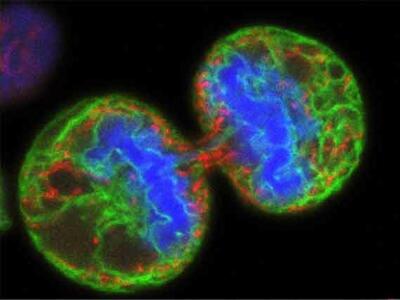
In a large clinical trial, the oncolytic virus therapy T-VEC improved the durable response rate and median survival in patients with advanced melanoma.
-

Using a storytelling approach to educate women about cervical cancer screening eliminated disparities in attitudes toward screening and behavior, according to a new study.
-

Giving some men with prostate cancer chemotherapy after standard treatment with radiation and hormone therapy modestly improves how long they live, according to results from a new NCI-funded clinical trial.
-
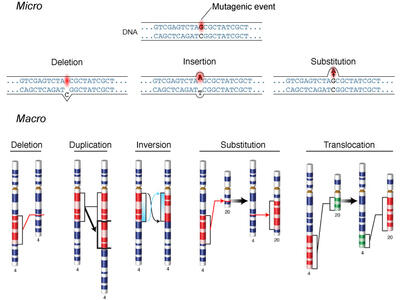
The list of cancers that may be susceptible to checkpoint inhibitors is quickly expanding, according to findings from clinical trials presented at the ASCO annual meeting.
-

In some patients with cancer that has spread to the brain, whole brain radiation following radiosurgery causes more severe cognitive decline and does not improve survival compared with radiosurgery alone, a new study has found.
-
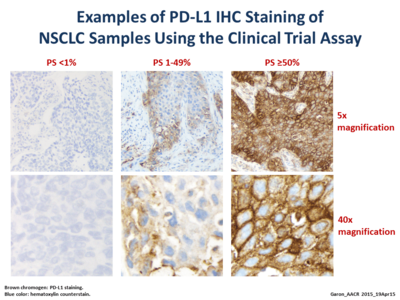
Findings from an early phase clinical trial may point to a biomarker that identifies patients with advanced non-small cell lung cancer most likely to respond to the immunotherapy drug pembrolizumab (Keytruda®).
-
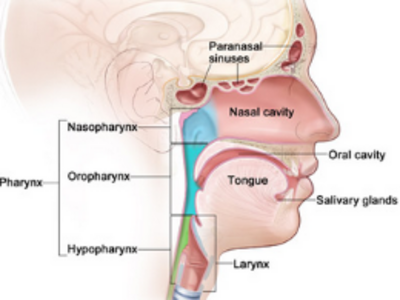
A new study from NCI researchers finds that the HPV vaccine protects young women from infection with high-risk HPV types at the three primary anatomic sites where persistent HPV infections can cause cancer. The multi-site protection also was observed at lower levels in previously HPV-exposed women.
-
In an early phase NCI clinical trial, two patients with metastatic cervical cancer had a complete disappearance of their tumors after receiving treatment with a form of immunotherapy called adoptive cell transfer.
-

In a large clinical trial, giving a hormone-suppressing drug helped some younger women with breast cancer get pregnant after completing cancer treatment.