
Cancer Currents: An NCI Cancer Research Blog
A blog featuring news and research updates from the National Cancer Institute.

-

Men diagnosed with low-risk prostate cancer are increasingly opting against immediate treatment and choosing active surveillance instead, a new study finds. In fact, rates of active surveillance more than doubled between 2014 and 2021.
-
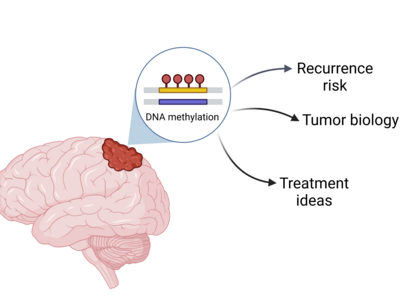
Two separate but complementary studies have identified a new way to classify meningioma, the most common type of brain tumor. The grouping system may help predict whether a patient’s tumor will grow back after treatment and identify new treatments.
-

About 25% of cancer survivors have persistent anxiety, depression, or other psychological and social (psychosocial) distress. In this interview, Dr. Patricia Ganz discusses psychosocial distress and the challenges and opportunities in this area.
-

One dose of the HPV vaccine was highly effective in protecting young women against infection from high-risk HPV types, a study in Kenya found. A single dose would make HPV vaccines more accessible worldwide, reducing cervical cancer’s global burden.
-
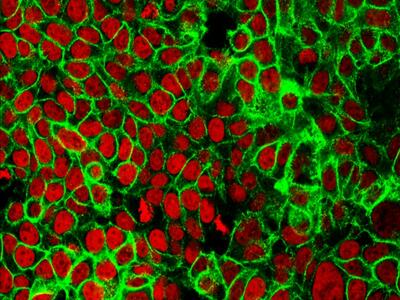
In a study in mice, researchers showed that BHB, a compound produced while eating a ketogenic diet, may slow or stop colorectal cancer from growing. More studies are needed, they warned, to see if BHB has similar effects in humans.
-
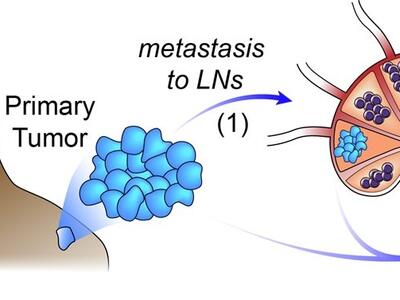
Cancer often spreads to the lymph nodes, but it has never been clear why. A new study in mice suggests lymph node invasion helps the primary tumor spread, or metastasize, to other organs.
-

A pregnant woman with Hodgkin lymphoma was treated successfully with an immunotherapy drug. The report that the treatment was safe and effective is leading researchers to start taking a closer look at new forms of cancer drugs in pregnant people.
-
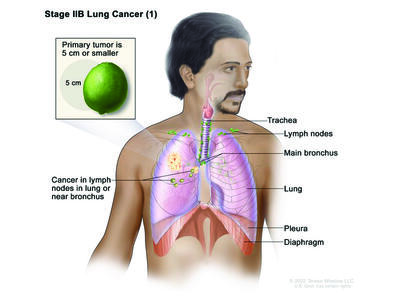
Giving people with early-stage lung cancer the immunotherapy drug nivolumab (Opdivo) and chemotherapy before surgery can substantially delay the progression or return of their cancer, a large clinical trial found.
-

Many hospitals and community health centers are trying to increase cancer screening rates after the COVID pandemic caused them to plummet. The largest effort aims to add a total of 70,000 additional monthly screening tests over a 6-month period.
-

For some people with acute myeloid leukemia (AML) that has a mutation in the IDH1 gene, combining ivosidenib (Tibsovo) with the chemotherapy drug azacitidine may be a new treatment option, according to results from a large clinical trial.