
Screening & Early Detection - Cancer Currents Blog
News about research on cancer screening and early detection. Includes stories on the impact of screening, new technologies, and approaches to improving the safety and efficacy of screening.
-
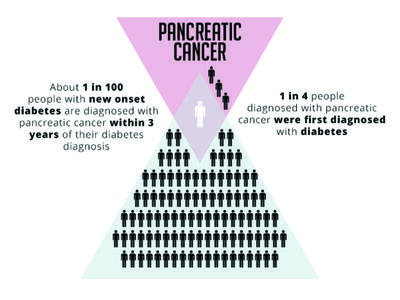
Numerous studies have pointed to a link between new-onset diabetes and pancreatic cancer. Now, several large NCI-supported studies are testing ways to pick out those people whose diabetes might be a sign of early pancreatic cancer, when treatments may be more effective.
-
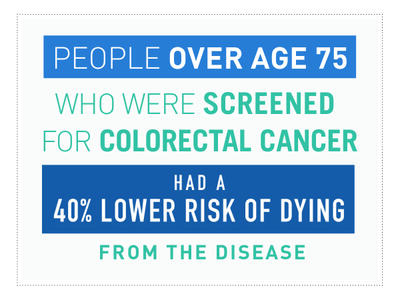
Screening people for colorectal cancer after age 75 may be beneficial, a new study suggests. The findings provide helpful information for physicians to use in discussing screening choices with their older patients.
-

Combining text messaging with mailing people free at-home FIT kits helped increase screening for colorectal cancer among a predominantly Black population, a new study has found. It’s part of a larger effort to reduce disparities in cancer screening.
-
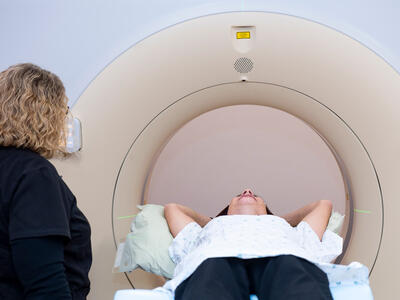
After a steep drop in screening for common cancers early in the COVID-19 pandemic, researchers are now exploring ways to improve cancer screening during the current crisis and beyond.
-

Updated cervical cancer screening guidelines from the American Cancer Society recommend HPV testing as the preferred approach. NCI’s Dr. Nicolas Wentzensen explains the changes and how they compare with other cervical cancer screening recommendations.
-

Many older adults are being screened for cancer who no longer need to be, a new study shows. Based on a nationwide survey, the study found that at least half of older US adults had received at least one unnecessary cancer screening test in the previous few years.
-
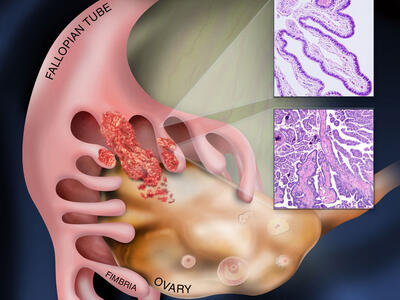
A microRNA—a molecule made by cells to turn genes on and off—called miR-181a may help high-grade serous ovarian cancer form, a study has found. The scientists think the microRNA could potentially help doctors detect ovarian cancer earlier.
-
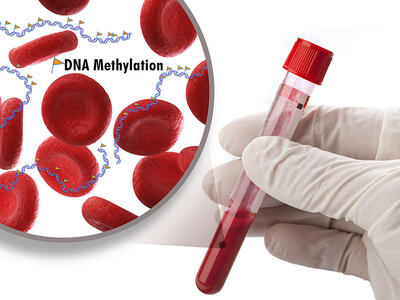
Results from two studies show that a liquid biopsy that analyzes DNA in blood accurately detected kidney cancer at early and more advanced stages and identified and classified different types of brain tumors.
-
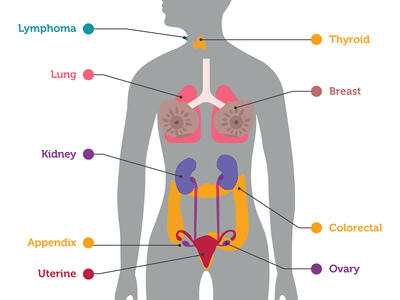
A blood test combined with imaging tests detected tumors—some at an early stage—in women with no history of cancer or symptoms, a recent study showed. The test also mistakenly indicated some women had cancer when further testing showed they didn't.
-
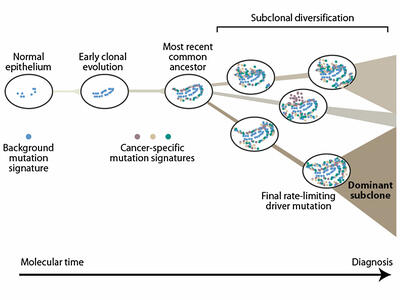
Scientists have mapped the evolution of 38 cancer types, noting common gene and protein alterations that occur early, in the middle of, and late in their development. The hope is that these maps create opportunities to identify cancers much earlier.