
2024 - Cancer Currents Blog
-

While treating people’s health-related social needs has always been a part of health care in one form or other, cancer centers and community cancer clinics increasingly are viewing the people they treat through a social lens and addressing social needs—including transportation, food, and housing—as part of patient care.
-
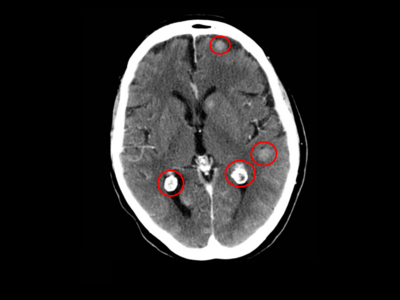
Lorlatinib (Lorbrena) is superior to crizotinib (Xalkori) as an initial treatment for people with ALK-positive advanced non-small cell lung cancer, according to new clinical trial results. Treatment with lorlatinib also helped prevent new brain metastases.
-
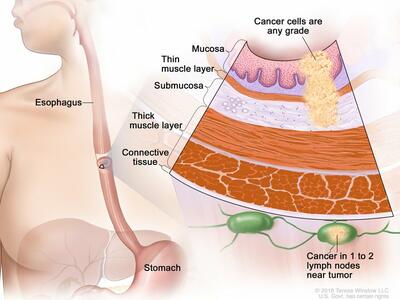
For people with locally advanced esophageal cancer, a chemotherapy regimen called FLOT is the preferred treatment, according to results from a large clinical trial. People treated with FLOT lived much longer than those treated with the CROSS regimen.
-

A program in Texas helped minority and medically underserved cancer survivors get much more physical activity, according to a new study. Participants also reported improved physical functioning and quality of life.
-
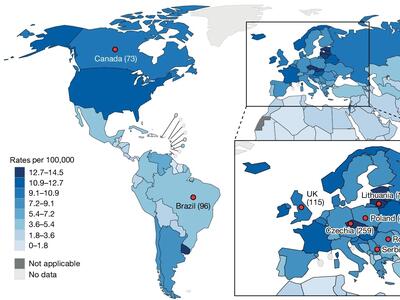
By analyzing patterns of DNA mutations in kidney cancers from people around the world, researchers have discovered new clues about possible causes of the disease. Identifying these mutational signatures might lead to strategies for preventing kidney cancer.
-

Drs. Ruth Pfeiffer and Peter Kraft of NCI’s Division of Cancer Epidemiology and Genetics discuss how breast cancer risk assessment tools are created and how people can use them to understand and manage their risk.
-
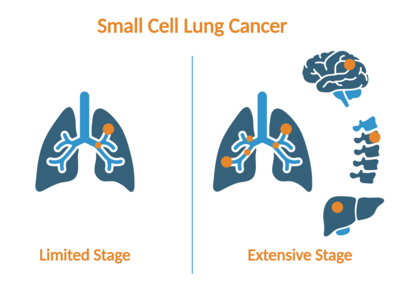
The immunotherapy drug durvalumab (Imfinzi) can help people with early-stage small cell lung cancer live longer, results from a large clinical trial show. Three years after starting treatment, nearly 60% of people who received the drug were still alive.
-
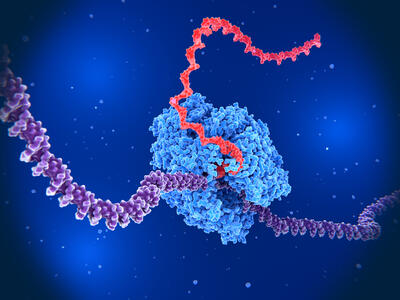
Recent results from several small clinical trials have suggested it may be possible to develop an effective immunotherapy for glioblastoma. Among them are findings from a four-patient trial testing a unique type of mRNA cancer vaccine.
-

A recent study showed that removing precancerous anal lesions can prevent anal cancer. Scientists are now studying how best to screen people at the high risk of anal cancer, including those with HIV, for these lesions.
-

When it comes to cancer drugs, researchers are moving away from a paradigm called the maximum tolerated dose. Instead, they’re focusing more on identifying doses that produce fewer side effects but are still effective against a person’s cancer.