
Treatment - Cancer Currents Blog
Cancer treatment related news, with context from leading experts. Includes articles on new therapies, treatment side effects, and important trends in treatment-related research.
-

A single injection of a gene therapy viral vector inhibited tumor growth of some mouse tumors derived from patients with recurrent ovarian cancer.
-
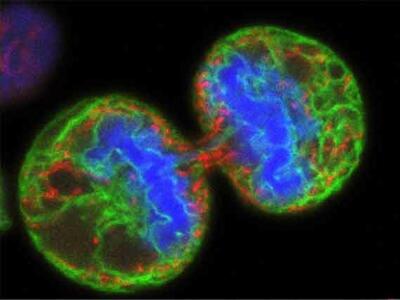
In a large clinical trial, the oncolytic virus therapy T-VEC improved the durable response rate and median survival in patients with advanced melanoma.
-
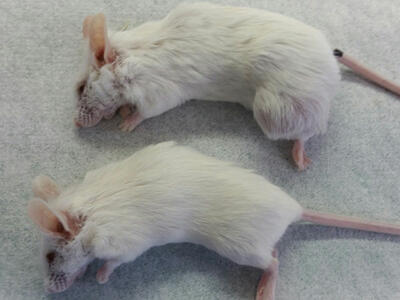
Findings from a study in mice suggests that a new type of drug conjugate may have potential as a treatment for two cancers that are often diagnosed in children.
-

New data from the Childhood Cancer Survivor Study suggest that refinements in pediatric cancer treatment over the last few decades have helped to extend the lifespans of many survivors of childhood cancer.
-

Giving some men with prostate cancer chemotherapy after standard treatment with radiation and hormone therapy modestly improves how long they live, according to results from a new NCI-funded clinical trial.
-
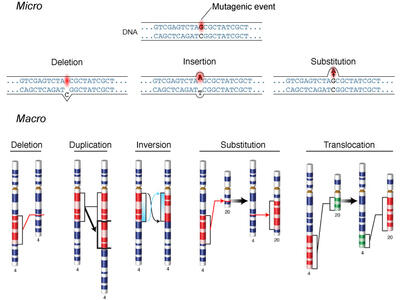
The list of cancers that may be susceptible to checkpoint inhibitors is quickly expanding, according to findings from clinical trials presented at the ASCO annual meeting.
-

In some patients with cancer that has spread to the brain, whole brain radiation following radiosurgery causes more severe cognitive decline and does not improve survival compared with radiosurgery alone, a new study has found.
-

Tumor cells that are missing one copy of the tumor suppressor gene TP53 often harbor another genetic alteration that may make them susceptible to a targeted attack, according to a new study.
-
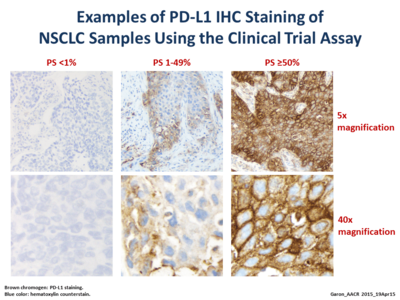
Findings from an early phase clinical trial may point to a biomarker that identifies patients with advanced non-small cell lung cancer most likely to respond to the immunotherapy drug pembrolizumab (Keytruda®).
-

In an early phase NCI clinical trial, two patients with metastatic cervical cancer had a complete disappearance of their tumors after receiving treatment with a form of immunotherapy called adoptive cell transfer.