
Survivorship & Supportive Care - Cancer Currents Blog
News on research that affect cancer patients and survivors. Topics include managing treatment side effects, fertility preservation, and cancer’s long-term effects.
-
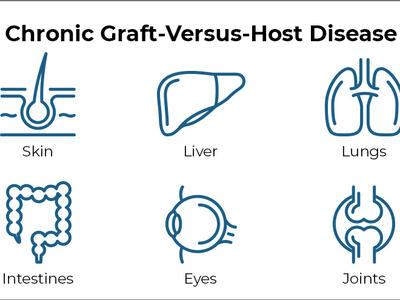
FDA has approved belumosudil (Rezurock) for the treatment of chronic graft-versus-host disease (GVHD). The approval covers the use of belumosudil for people 12 years and older who have already tried at least two other therapies.
-

Cancer can greatly disrupt life for adolescents and young adults, who are already going through major life changes. Gathering data on how cancer and its treatment affect this age group will improve their quality of life during and beyond treatment.
-
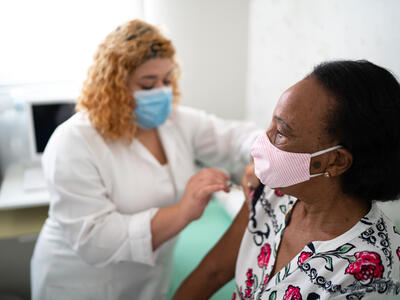
People with blood cancers seem to be less protected by COVID-19 vaccines than those with other cancers and people without cancer, three new studies suggest. Experts believe this limited effectiveness is likely due to patients’ weakened immune systems.
-
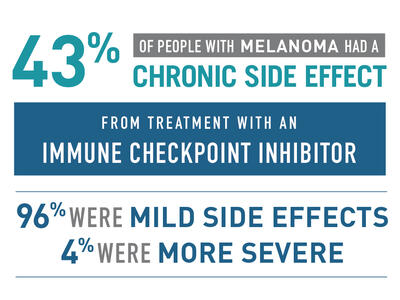
While doctors are familiar with the short-term side effects of immune checkpoint inhibitors, less is known about potential long-term side effects. A new study details the chronic side effects of these drugs in people who received them as part of treatment for melanoma.
-

In a large clinical trial, cancer survivors treated with acupuncture had modest improvements in chronic pain compared with those who received standard pain treatments. The study couldn’t rule out a placebo effect for the improvement with acupuncture.
-

Cancer-related suicides dipped each year between 1999 and 2018 in the United States, a recent study has found. Yet, people who have had cancer remain at high risk for suicide and improvements in supportive care are needed, experts say.
-
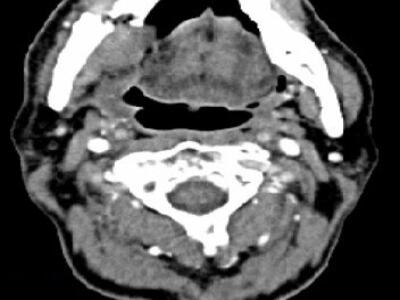
A recent study quantified the risk of osteonecrosis of the jaw for patients who take zoledronic acid to manage complications from cancer that has spread to the bone. The study also examined risk factors for osteonecrosis of the jaw in these patients.
-

Fertility preservation for young women with breast cancer doesn’t increase their risk of dying in the ensuing decades, a new study affirmed. Experts said the findings support routinely offering fertility preservation to patients who want it.
-
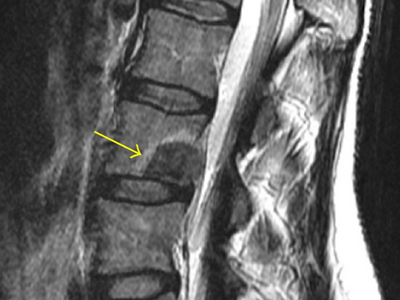
For some patients with painful spinal metastases from advanced cancer, a type of precise, high-dose radiation therapy—called stereotactic body radiation therapy (SBRT)—may be a highly effective way to relieve that pain, clinical trial results show.
-

Efforts to contain the opioid epidemic may be preventing people with cancer from receiving appropriate prescriptions for opioids to manage their cancer pain, according to a new study of oncologists’ opioid prescribing patterns.