
2021 - Cancer Currents Blog
-

A treatment regimen that combines the immunotherapy drug nivolumab (Opdivo) with either another immunotherapy drug or chemotherapy may be a new initial treatment option for people with advanced esophageal cancer, a large clinical trial finds.
-
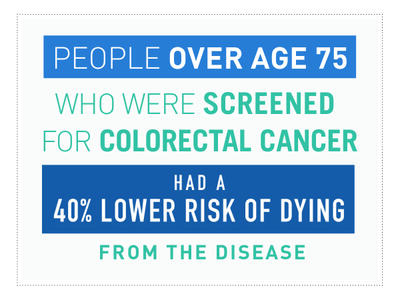
Screening people for colorectal cancer after age 75 may be beneficial, a new study suggests. The findings provide helpful information for physicians to use in discussing screening choices with their older patients.
-
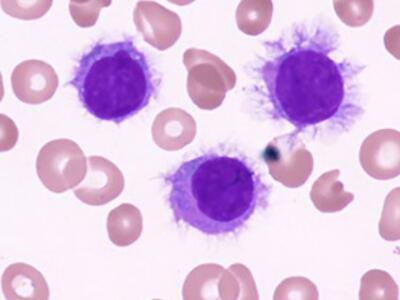
In a small study, vemurafenib (Zelboraf) and rituximab (Rituxan) helped 85% of participants stay in remission for nearly 3 years. The study involved 30 people with hairy cell leukemia that had come back after or had not responded to previous treatment.
-
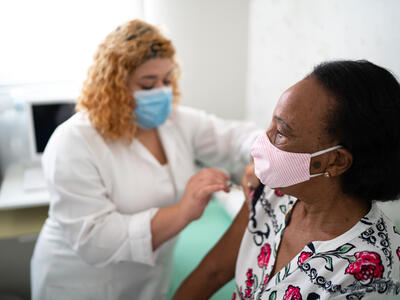
People with blood cancers seem to be less protected by COVID-19 vaccines than those with other cancers and people without cancer, three new studies suggest. Experts believe this limited effectiveness is likely due to patients’ weakened immune systems.
-

Fewer women with early-stage cervical cancer are having minimally invasive surgery, including robotic, as part of their treatment, a new study shows. The shift toward more open surgeries follows the release of results from the LACC trial in 2018.
-

Can some people with HPV-related oropharyngeal cancer, a type of head and neck cancer, get less intense treatment without risking their cancer coming back? Researchers are trying to find out.
-

Researchers have shown that the loss of a protein called AMBRA1 can cause tumors to form in mice and is linked with worse outcomes in some human tumors. The new research may lead to strategies for re-sensitizing cancer cells to CDK4/6 inhibitor drugs.
-
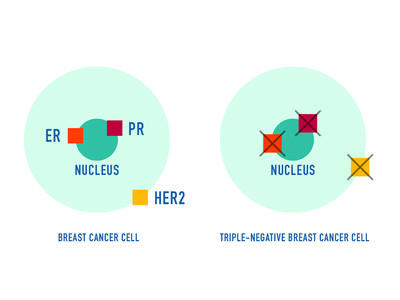
Sacituzumab govitecan (Trodelvy) now has regular FDA approval for people with locally advanced or metastatic triple-negative breast cancer (TNBC). The update follows last year’s accelerated approval of the drug for people with TNBC.
-

In a recent study, a treatment regimen using brentuximab vedotin (Adcetris) instead of the chemotherapy drug vincristine allowed some children and teens with advanced Hodgkin lymphoma to avoid radiation therapy—and the long-term health problems that can come with it.
-

Combining the chemotherapy drug topotecan and the investigational drug berzosertib shrank tumors in some patients with small cell lung cancer, results from an NCI-supported phase 1 clinical trial show. Two phase 2 trials of the combination are planned.