
Clinical Trial Results - Cancer Currents Blog
Reports on findings from cancer clinical trials, with commentary from leading researchers on how the trial results will affect patient care.
-
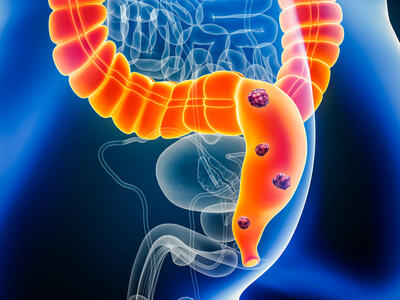
A new treatment regimen may help improve the survival of some people with advanced colorectal cancer, according to results from an international clinical trial. The new regimen includes bevacizumab (Avastin) and the combination of trifluridine and tipiracil (Lonsurf).
-
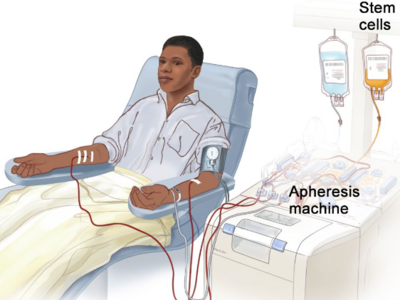
In a clinical trial of people with multiple myeloma, giving motixafortide with filgrastim markedly increased the number of stem cells that could be collected. The treatment may allow more people with this cancer to get optimal numbers of stem cells for a transplant.
-
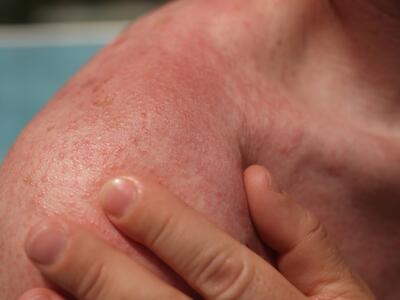
People with desmoplastic melanoma, a rare form of skin cancer, are likely to benefit from treatment with a single immunotherapy drug, pembrolizumab (Keytruda), according to new results from a small clinical trial.
-
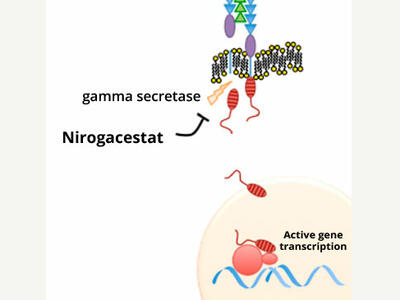
In a clinical trial, the drug nirogacestat shrank tumors in 40% of people with desmoid tumors. Treatment with nirogacestat also substantially improved progression-free survival, pain, and physical functioning, compared with patients treated with a placebo.
-
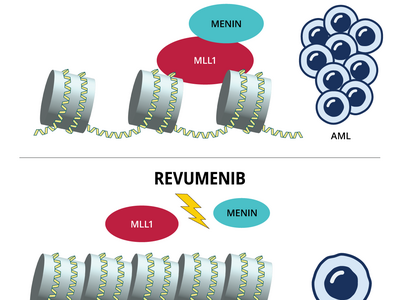
Treatment with revumenib caused complete remission in about one-third of participants in an early-phase clinical trial involving patients who’d had many prior treatments. Revumenib is part of a new class of targeted drugs known as menin inhibitors.
-
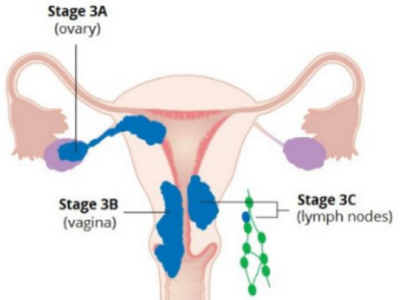
In two clinical trials, combining immune checkpoint inhibitors with standard chemotherapy substantially increased how long people with advanced endometrial cancer lived without their cancer worsening, particularly those with dMMR or MSI-high tumors.
-
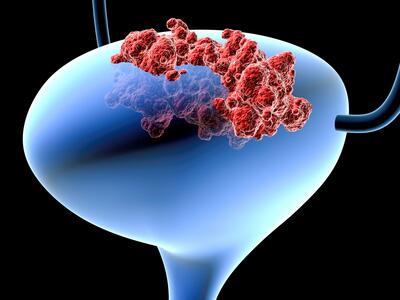
Updated results from a large clinical trial confirm that, for some people with bladder cancer, receiving immunotherapy after surgery is an effective treatment. In 2021, initial results from the same trial led to FDA approval of nivolumab (Opdivo) for this use.
-

For certain people with early-stage non-small cell lung cancer, sublobar surgery to remove only a piece of the affected lung lobe is as effective as surgery to remove the whole lobe, new research shows.
-

For some people with cancer, is 6 months of immunotherapy the only treatment they might ever need? Or 4 weeks of immunotherapy followed by minor surgery? Results from several small clinical trials suggest these scenarios may be bona fide possibilities.
-

An NCI-funded clinical trial has shown that treatment-related early deaths in people with a rare leukemia can be dramatically reduced. How did they do it? In part, by establishing a help desk staffed by experts in treating APL.