
Treatment - Cancer Currents Blog
Cancer treatment related news, with context from leading experts. Includes articles on new therapies, treatment side effects, and important trends in treatment-related research.
-
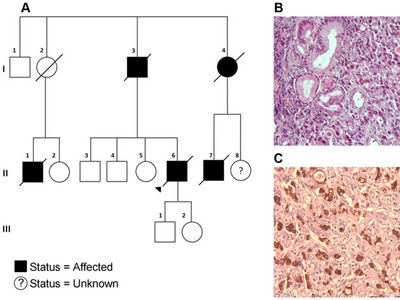
Despite recommendations, a new analysis shows few people with cancer undergo germline testing to learn if their cancer may have been caused by gene changes inherited from a parent. Germline testing can help doctors determine the best treatments for a patient and help identify people whose family members may be at higher risk of cancer.
-
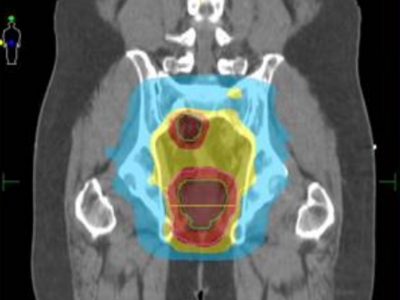
Radiation may not be needed for people undergoing surgery for rectal cancer, a large clinical trial has shown. A combination of two chemotherapy drugs before surgery appears to be as effective as chemo and radiation and may spare patients from long-term side effects.
-

A large clinical trial has shown that in people with blood cancers, a cyclophosphamide-based regimen better protects against graft-versus-host-disease (GVHD) after an allogeneic stem cell transplant than the standard regimen.
-
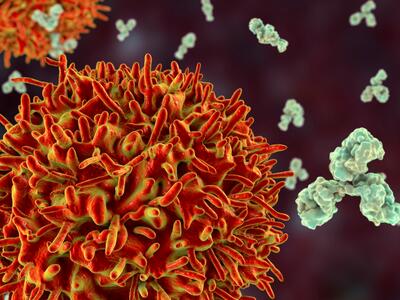
New findings show that the CAR T-cell therapy axicabtagene ciloleucel (Yescarta) improved survival for people with large B-cell lymphoma that was not responding to initial treatment or had quickly relapsed. The new results from the ZUMA-7 trial offer real hope for this group of patients.
-
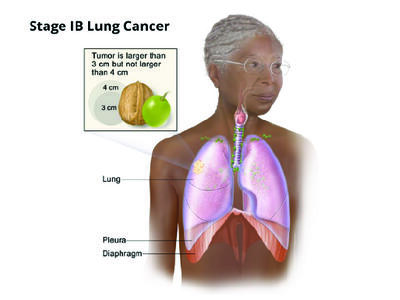
In the ADAURA clinical trial, people with early-stage lung cancer treated with osimertinib (Tagrisso) after surgery lived longer than people treated with a placebo after surgery. Despite some criticisms about its design, the trial is expected to change patient care.
-

In a large clinical trial, vorasidenib slowed the growth of low-grade gliomas that had mutations in the IDH1 or IDH2 genes. Vorasidenib is the first targeted drug developed specifically to treat brain tumors.
-

Giving the drug blinatumomab (Blincyto) after standard chemotherapy substantially increased survival for infants with an aggressive form of acute lymphoblastic leukemia (ALL), a recent study showed. If confirmed in larger studies, the treatment may become standard therapy for infants with ALL caused by KMT2A rearrangements.
-

A new treatment regimen may help improve the survival of some people with advanced colorectal cancer, according to results from an international clinical trial. The new regimen includes bevacizumab (Avastin) and the combination of trifluridine and tipiracil (Lonsurf).
-
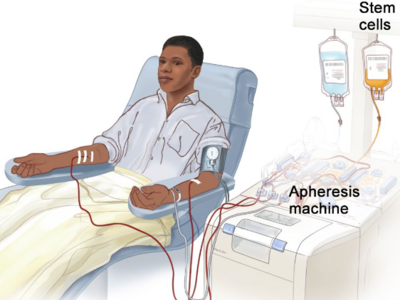
In a clinical trial of people with multiple myeloma, giving motixafortide with filgrastim markedly increased the number of stem cells that could be collected. The treatment may allow more people with this cancer to get optimal numbers of stem cells for a transplant.
-

People with desmoplastic melanoma, a rare form of skin cancer, are likely to benefit from treatment with a single immunotherapy drug, pembrolizumab (Keytruda), according to new results from a small clinical trial.