
Cancer Currents: An NCI Cancer Research Blog
A blog featuring news and research updates from the National Cancer Institute.

-
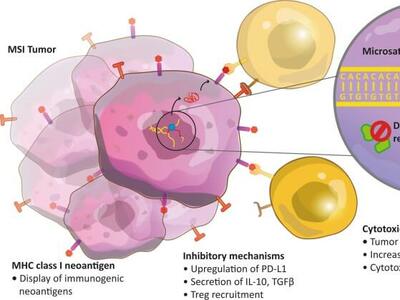
The FDA has approved the combination of the immune checkpoint inhibitors ipilimumab (Yervoy) and nivolumab (Opdivo) for the treatment of patients with metastatic colorectal cancer whose tumor cells have defects that affect their ability to repair DNA.
-
FDA has approved pembrolizumab (Keytruda) for some women with advanced cervical cancer and some patients with primary mediastinal large B-cell lymphoma (PMBCL), a rare type of non-Hodgkin lymphoma.
-
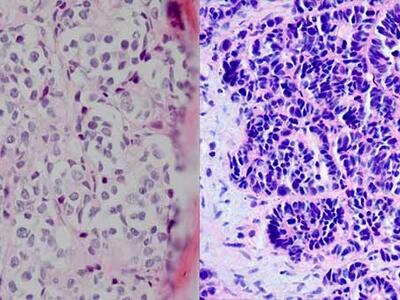
Researchers have found that men with advanced prostate cancer may be more likely than previously thought to develop a more aggressive form of the disease. The subtype, called t-SCNC, was linked with shorter survival than other subtypes.
-

NCI is supporting a new research network to develop biomarkers for cancer immunotherapy. In this interview, NCI’s Dr. Helen Chen and Magdalena Thurin explain the networks’ structure and its goals.
-
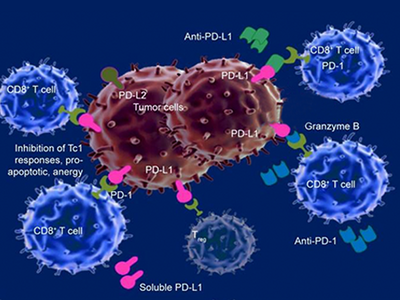
FDA has changed the approved uses of the immunotherapy drugs pembrolizumab (Keytruda) and atezolizumab (Tecentriq) to treat the most common form of bladder cancer. The change is based on whether patients’ tumors have a specific biomarker.
-
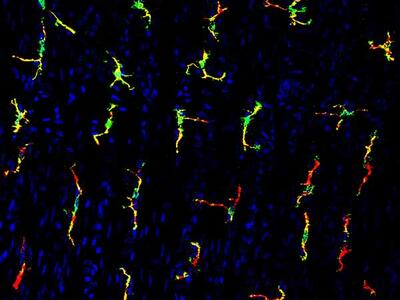
A study in mice sheds light onto how some chemotherapies cause diarrhea. The findings could be the basis for developing new treatments for patients with cancer who develop gastrointestinal side effects from chemotherapy.
-

Dr. Judith Paice, of the Cancer Pain Program at Northwestern University’s Feinberg School of Medicine, discusses the impacts of the opioid epidemic on cancer patients and how providers can address concerns about opioid misuse when managing cancer pain.
-
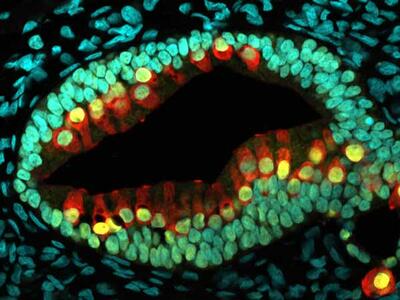
The drug sodium thiosulfate can protect the hearing of children with cancer undergoing treatment with the chemotherapy drug cisplatin, results from a new clinical trial show. The trial involved children with a form of liver cancer called hepatoblastoma.
-
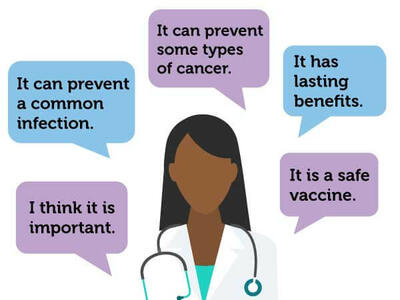
Health care providers should emphasize cancer prevention when discussing HPV vaccination with the parents of preteens who are due to receive the vaccine, results from a new study show.
-

A new study has linked age with how well patients with melanoma responded to treatment with immune checkpoint inhibitors. Experiments in mice suggested that the response pattern may be due to an age-related shift in the kinds of immune cells in tumors.