
Cancer Currents: An NCI Cancer Research Blog
A blog featuring news and research updates from the National Cancer Institute.

-

Many in the cancer research and NIH community are mourning the loss of long-time NCI senior leader Alan Rabson, M.D., who passed away on July 4, at the age of 92. His career spanned 6 decades, including research on tumor virology and cancer pathology and senior NCI leadership roles.
-
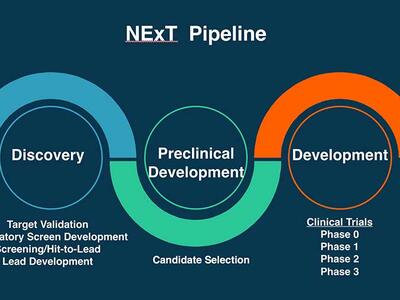
The NCI Experimental Therapeutics (NExT) program works with researchers and top scientific experts to advance promising or novel cancer therapies from the earliest stages of research to human clinical trials.
-
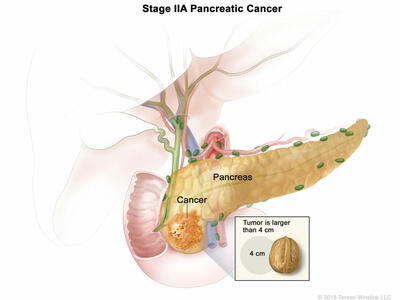
Results from two clinical trials are expected to improve the outlook for some people with early-stage pancreatic cancer. Altering the chemotherapy drugs used and the timing of treatment substantially improved survival.
-

FDA expanded the approval of venetoclax (Venclexta) for people with chronic lymphocytic leukemia (CLL) to include those whose cancer has progressed after previous treatment, regardless of whether their cancer cells have the deletion 17p gene alteration.
-

Two studies examined the impact of more frequent follow-up testing for cancer recurrence in colorectal cancer survivors. Learn whether the studies showed that frequent testing improved survival.
-
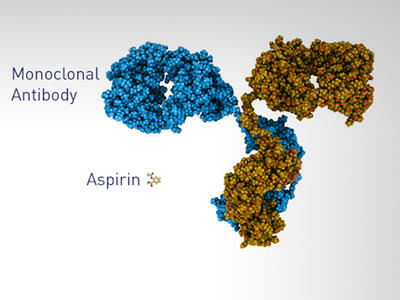
As the patents on some widely used drugs to treat cancer expire in the coming years, biosimilar drugs are being developed for the treatment of patients with cancer. Are biosimilars effective and will they expand treatment options for patients?
-
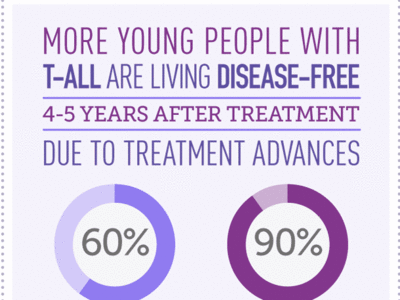
This NCI-funded Children’s Oncology Group trial tested the addition of nelarabine (Arranon) to standard treatment for children and young adults with T-cell acute lymphoblastic leukemia (T-ALL).
-

Researchers with the NCI-supported GAME-ON initiative and OncoArray Network are publishing studies identifying dozens of new genetic variants associated with the risk for developing some of the most common cancers.
-

NCI Director Dr. Norman Sharpless highlights some of the important research findings from the 2018 American Society of Clinical Oncology annual meeting and discusses the rapid pace of progress in cancer research.
-

In a phase 2 clinical trial, the investigational drug selumetinib shrank tumors in some children with the genetic syndrome neurofibromatosis type 1 (NF1). The tumors, called neurofibromas, can cause pain, difficulty breathing or walking, and disfigurement.