
Treatment - Cancer Currents Blog
Cancer treatment related news, with context from leading experts. Includes articles on new therapies, treatment side effects, and important trends in treatment-related research.
-
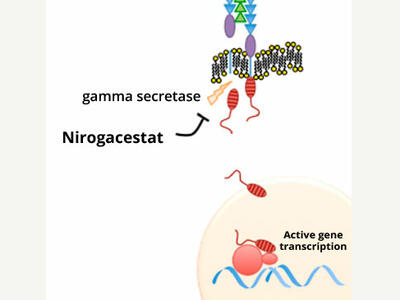
In a clinical trial, the drug nirogacestat shrank tumors in 40% of people with desmoid tumors. Treatment with nirogacestat also substantially improved progression-free survival, pain, and physical functioning, compared with patients treated with a placebo.
-
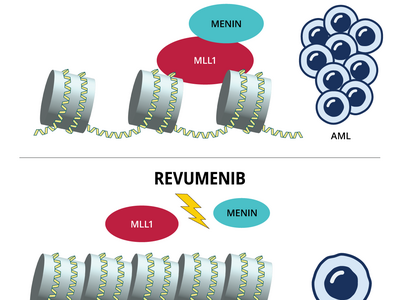
Treatment with revumenib caused complete remission in about one-third of participants in an early-phase clinical trial involving patients who’d had many prior treatments. Revumenib is part of a new class of targeted drugs known as menin inhibitors.
-
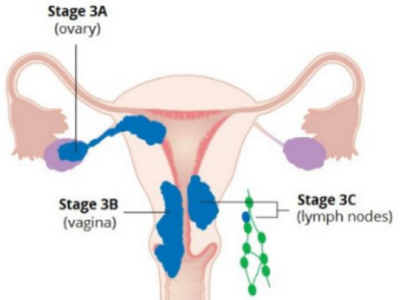
In two clinical trials, combining immune checkpoint inhibitors with standard chemotherapy substantially increased how long people with advanced endometrial cancer lived without their cancer worsening, particularly those with dMMR or MSI-high tumors.
-

The consequences of climate change have already affected cancer care in the United States, particularly in areas hit by hurricanes and wildfires. Researchers are studying how to mitigate that impact and better understand the effect of climate change on the risk of developing cancer.
-
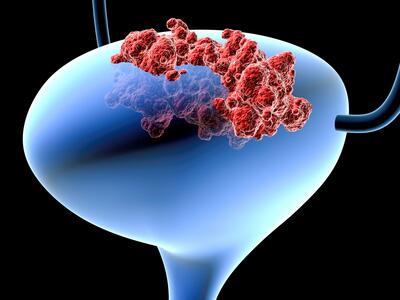
Updated results from a large clinical trial confirm that, for some people with bladder cancer, receiving immunotherapy after surgery is an effective treatment. In 2021, initial results from the same trial led to FDA approval of nivolumab (Opdivo) for this use.
-

Doxorubicin is used to treat many types of childhood cancer, but it can damage the heart. Giving dexrazoxane (Zinecard) before each dose substantially decreases a child’s risk of treatment-related heart problems in adulthood, new study results show.
-

For certain people with early-stage non-small cell lung cancer, sublobar surgery to remove only a piece of the affected lung lobe is as effective as surgery to remove the whole lobe, new research shows.
-
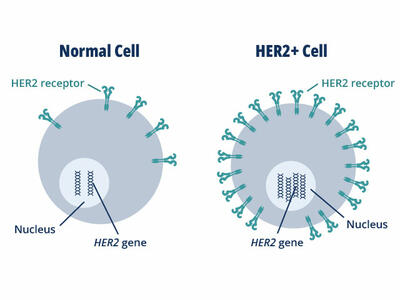
FDA approved tucatinib (Tukysa) with trastuzumab (Herceptin) to treat HER2-positive advanced colorectal cancer. The approval was based on the MOUNTAINEER trial, in which nearly 40% of participants’ tumors shrank after receiving the drug combination.
-

An NCI-funded clinical trial has shown that treatment-related early deaths in people with a rare leukemia can be dramatically reduced. How did they do it? In part, by establishing a help desk staffed by experts in treating APL.
-
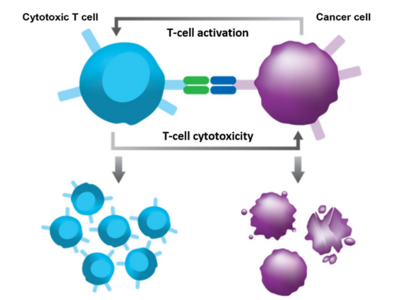
The immunotherapy drug blinatumomab (Blincyto) extends life for people with acute lymphoblastic leukemia who are in remission, even those with no signs of disease after initial treatment, a trial has found.