
Cancer Currents: An NCI Cancer Research Blog
A blog featuring news and research updates from the National Cancer Institute.

-
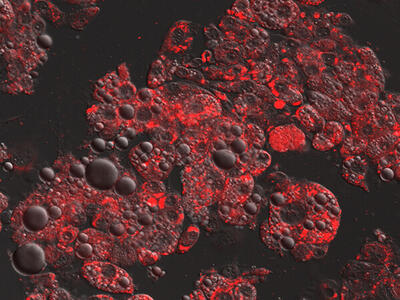
Researchers have shown that fat cells can absorb two commonly used chemotherapy drugs and break them down chemically into a less toxic form, potentially reducing the drugs’ effectiveness.
-
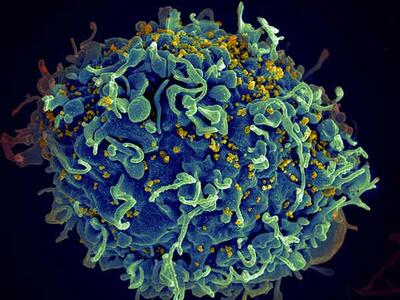
People with HIV are often excluded from clinical trials to protect their safety. Preliminary results from an NCI-sponsored study of an immunotherapy drug show that people with HIV can safely participate in clinical trials.
-
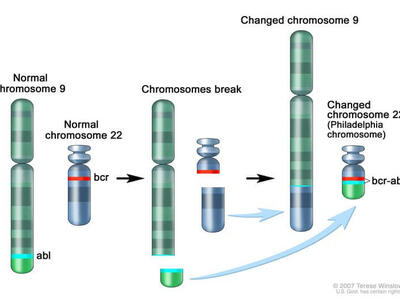
On November 9, the FDA approved dasatinib (Sprycel®) for the treatment of children with chronic myelogenous leukemia (CML) whose cancer cells express the Philadelphia chromosome and whose disease is in a relatively early stage, known as the chronic phase.
-
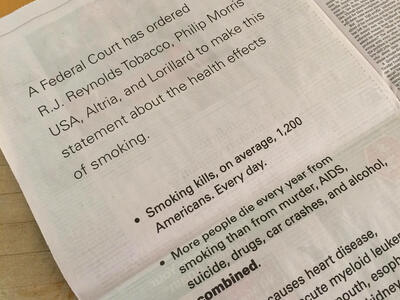
November 26, 2017, marked a unique moment in US public health history, with the major US tobacco companies issuing the first in a series of court-ordered "corrective statements" about their products.
-

NCI’s Dr. Glen Morgan discusses NCI’s Cancer Center Cessation Initiative, including how and why this smoking cessation initiative was developed and its long-term goals.
-
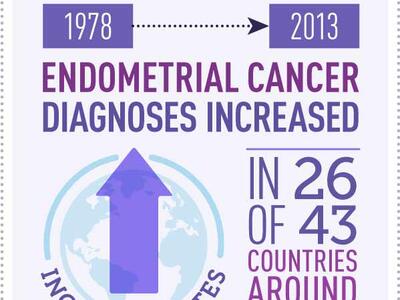
Diagnoses of endometrial cancer have increased worldwide in recent years, with rates rising in more than half of the 43 countries studied during the decade ending around 2010, a team of international researchers has shown.
-
The experimental vaccine targets a protein found at elevated levels in about 90% of the most common type of ovarian cancer. If validated in human studies, researchers believe the vaccine may be particularly useful for women who carry BRCA1 and BRCA2 gene mutations.
-
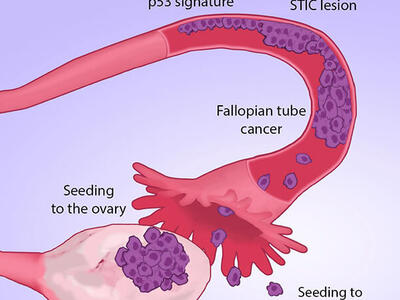
A new study provides more evidence that the most common form of ovarian cancer may originate in the fallopian tubes, and that there is a window of nearly 7 years between development of fallopian tube lesions and the start of ovarian cancer.
-
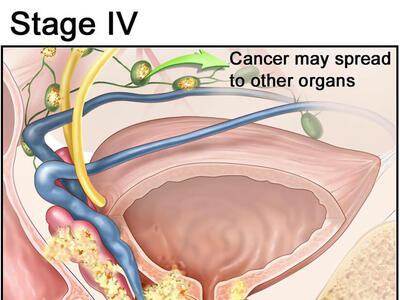
Researchers have identified an emerging subtype of metastatic prostate cancer that is resistant to therapies that block hormones that fuel the disease.
-
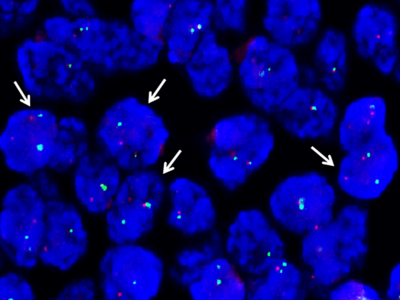
From experiments in cells and mice, researchers have identified a two-drug combination that kills more Ewing sarcoma cells than either drug on its own. The study findings could help inform future clinical trials.