
Cancer Currents: An NCI Cancer Research Blog
A blog featuring news and research updates from the National Cancer Institute.

-

Brain cancer cells are heavily dependent on a constant supply of cholesterol to survive, a new study suggests. And in mice with brain tumors, treatment with a cholesterol-depleting drug slowed tumor growth and improved survival.
-
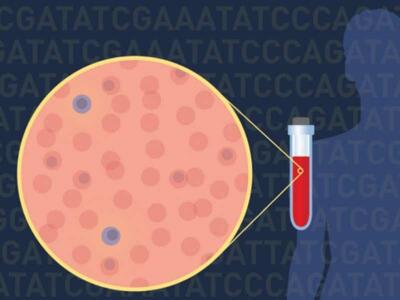
A study suggests that individual tumor cells circulating in the blood of patients with multiple myeloma may be a new source of information about the genetic changes driving the disease.
-
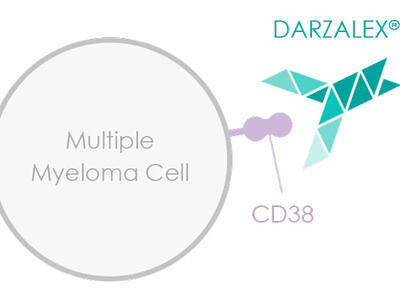
The FDA has approved daratumumab, in combination with either of two other standard therapies, in patients with multiple myeloma whose disease has progressed after only a single prior treatment course.
-
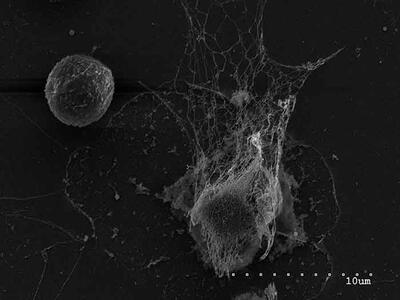
Cancer cells may exploit a normal function of neutrophils, the most common form of white blood cell, to help form metastatic tumors, a new study suggests.
-
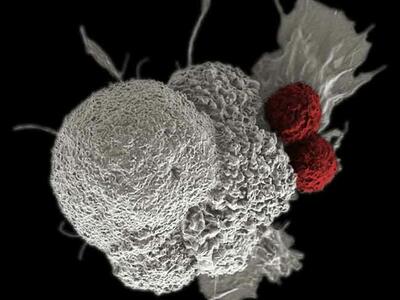
The FDA has approved nivolumab for squamous cell carcinoma of the head and neck that has progressed during chemotherapy with a platinum-based drug or that has recurred or metastasized after platinum-based chemotherapy.
-
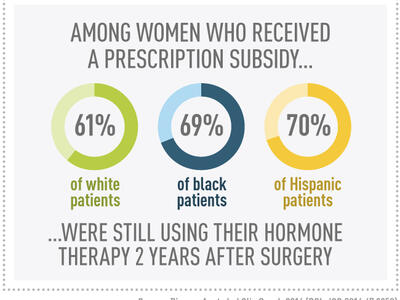
A new study has found that subsidies for prescription drugs can improve the use of adjuvant therapy in women with early-stage breast cancer and help reduce disparities in the use of these proven treatments among black and Hispanic women.
-

Scientists have designed a device that measures the mass of single cancer cells to predict how cells respond to drug treatment. The technology could potentially help clinicians determine whether a drug effectively kills cancer cells.
-
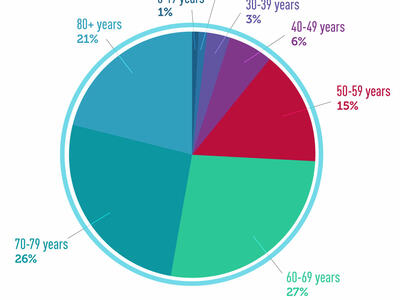
Dr. Julia Rowland, director of NCI’s Office of Cancer Survivorship, on the office’s 20th anniversary and efforts to ensure continued progress in survivorship research and improve survivors’ lives.
-
The FDA has approved atezolizumab and expanded the approval of pembrolizumab for some patients with non-small cell lung cancer.
-

A new report from the President’s Cancer Panel outlines how connective technologies can promote cancer prevention, enhance patients’ treatment experience, and accelerate progress in cancer research.