
Cancer Currents: An NCI Cancer Research Blog
A blog featuring news and research updates from the National Cancer Institute.

-
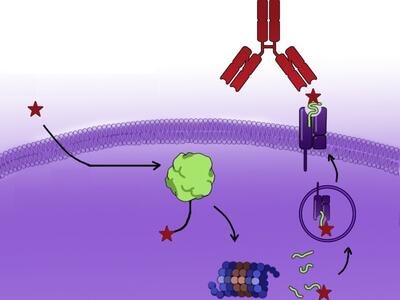
Two research teams have developed a treatment approach that could potentially enable KRAS-targeted drugs—and perhaps other targeted cancer drugs—flag cancer cells for the immune system. In lab studies, the teams paired these targeted drugs with experimental antibody drugs that helped the immune system mount an attack.
-

Results from a large NCI-funded clinical trial show that steroids were no more effective than a placebo for treating breathing problems in people with advanced cancer. And people treated with steroids were more likely to have serious side effects.
-
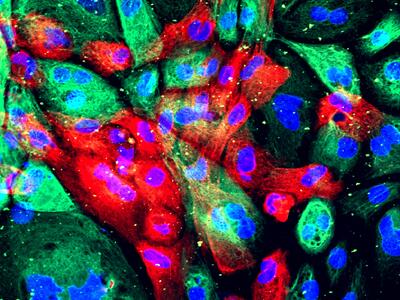
The Decipher genomic test found high-risk prostate cancer even when conventional tests said the tumors were lower risk. This discrepancy appeared to happen more frequently for African-American men.
-
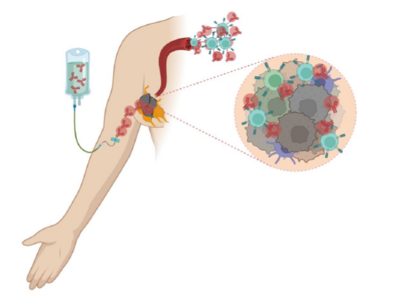
For melanoma that can be treated with surgery, a few doses of pembrolizumab (Keytruda) beforehand looks to be a good choice. In a clinical trial, people who got the presurgical immunotherapy were much less likely to have their cancer come back than those who only received it after surgery.
-
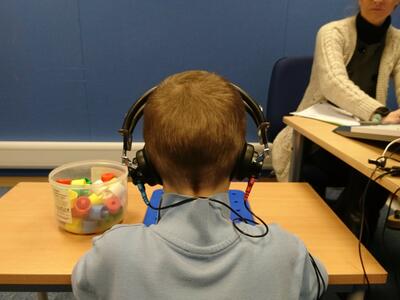
The chemotherapy cisplatin often causes permanent hearing loss. Sodium thiosulfate (Pedmark) is the first treatment approved by FDA that can reduce the risk of hearing loss and the severity of damage to the inner ear in children treated with cisplatin.
-
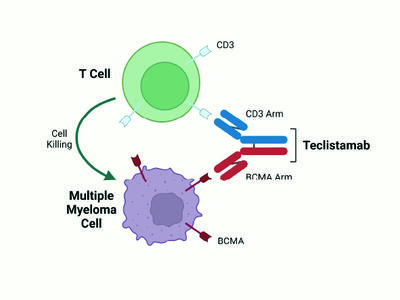
In a small clinical trial, nearly 40% of people with multiple myeloma who were treated with the immunotherapy drug teclistamab (Tecvayli) had all signs of their cancer disappear. The trial participants had myeloma that did not respond to or came back after three or more prior treatments.
-

Dr. Doug Hawkins, chair of the NCI-funded Children’s Oncology Group, discusses advances in treating children with cancer, COG’s role in conducting clinical trials, and efforts like the Childhood Cancer Data Initiative and Molecular Characterization Initiative.
-
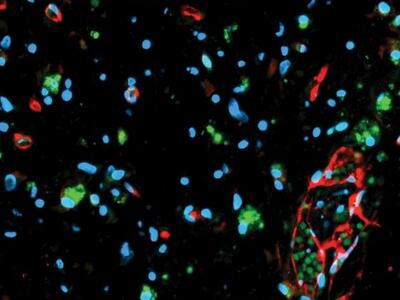
Two companion studies have found different forms of some brain tumors, diffuse midline glioma and IDH-mutant glioma, become dependent for their survival on the production of chemicals called pyrimidines. Clinical trials are planned to test a drug that blocks pyrimidine synthesis in patients with gliomas.
-
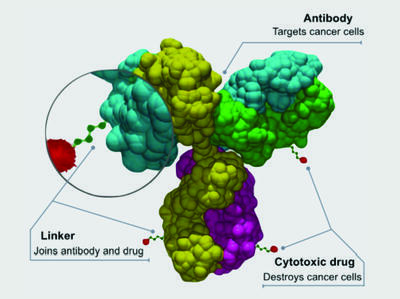
On August 11, the Food and Drug Administration (FDA) gave accelerated approval to trastuzumab deruxtecan (Enhertu) for adults with non-small cell lung cancer (NSCLC) that has a specific mutation in the HER2 gene. Around 3% of people with NSCLC have this kind of HER2 mutation.
-
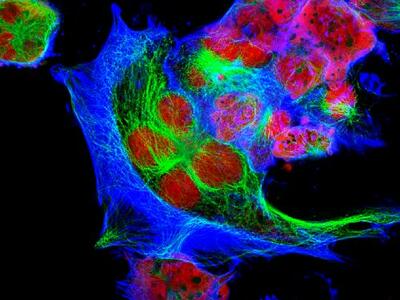
Researchers have confirmed that the immunotherapy drug dinutuximab (Unituxin) can help children with high-risk neuroblastoma live longer. The finding is based on a trial of nearly 1,200 children with the disease.