
Technology - Cancer Currents Blog
News and commentaries on technology used to conduct cancer research, deliver cancer treatment, improve patient care, and screen for cancer, as well as other topics.
-
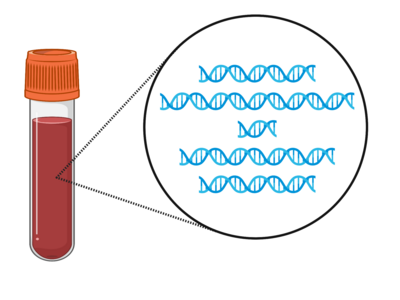
Researchers have developed a blood test that, in a preliminary study, accurately detected liver cancer, including in people with early-stage disease. The test uses a new type of technology called fragmentomics to analyze bits of DNA in the blood.
-

A new study shows for the first time that a circular form of DNA, called ecDNA, is present in precancerous tissue and not just cancer cells. The study also suggested that when ecDNA is present in Barrett’s esophagus, that tissue is almost certain to become cancer.
-
A new study has compared three formulations of an mRNA vaccine designed to treat cancers caused by human papillomavirus (HPV) infections. All three vaccines showed promise in mice.
-

Results from a new study highlight the progress being made toward developing liquid biopsies specifically for use in children with solid cancers like Ewing sarcoma and Wilms tumor. The tests can help detect and diagnose cancer and monitor for response to treatment and recurrence.
-

Since the start of the COVID-19 pandemic, many people with cancer have had telehealth visits with their doctors. According to an analysis of nearly 25,500 telemedicine visits to the Moffitt Cancer Center by more than 11,600 adults with cancer, the use of telehealth saved people with cancer time, travel, and money.
-
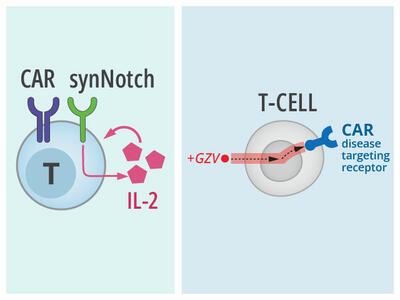
Two research teams have developed ways of overcoming barriers that have limited the effectiveness of CAR T-cell therapies, including engineering ways to potentially make them effective against solid tumors like pancreatic cancer and melanoma.
-
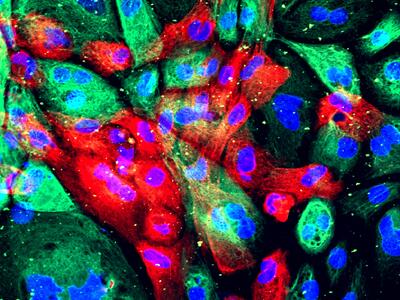
The Decipher genomic test found high-risk prostate cancer even when conventional tests said the tumors were lower risk. This discrepancy appeared to happen more frequently for African-American men.
-
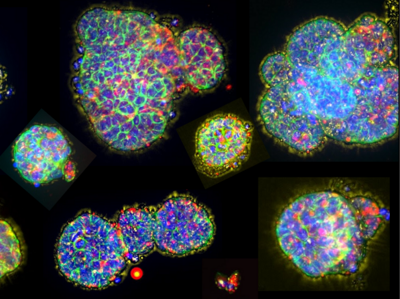
A research team hopes to offer oncologists a new tool to guide treatment choices for their patients. In a small study, a tumor model called micro-organospheres accurately predicted whether patients would respond to their chemotherapy treatment.
-
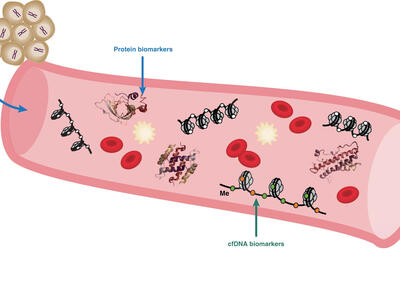
Progress has been made on developing noninvasive tests that may be able to find many cancers early. But, as NCI’s Dr. Phil Castle explains, there’s still much to learn about these multi-cancer early detection tests before they become widely used.
-
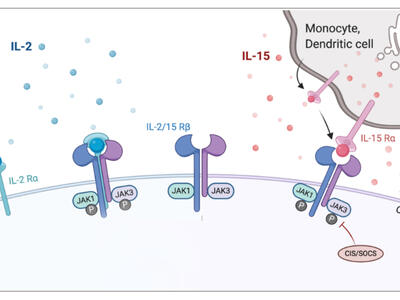
Researchers have developed tiny “drug factories” that produce an immune-boosting molecule and can be implanted near tumors. The pinhead-sized beads eliminated tumors in mice with ovarian and colorectal cancer and will soon be tested in human studies.