
Cancer Currents: An NCI Cancer Research Blog
A blog featuring news and research updates from the National Cancer Institute.

-
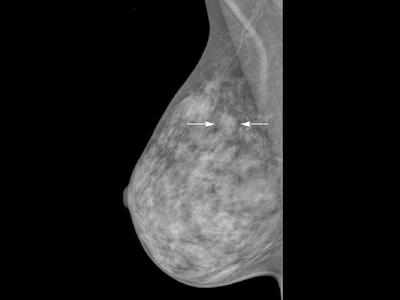
For women in their 70s and older, the risk of overdiagnosis with routine screening mammography is substantial, a new study suggests. The findings highlight the need for conversations between older women and their health care providers about the potential benefits and harms of continuing screening mammography.
-

The cholesterol-lowering drug atorvastatin (Lipitor) may help reduce the risk of heart failure in people with lymphoma who receive chemotherapy drugs called anthracyclines, results from a clinical trial suggest. Anthracyclines, such as doxorubicin, are used to treat many types of cancer.
-

It may be worthwhile for some individuals between ages 65 and 69 to get tested for HPV, findings from a Danish study suggest. Specifically, the testing may help prevent cervical cancer among those who haven’t had cervical cancer screening for at least 5 years.
-
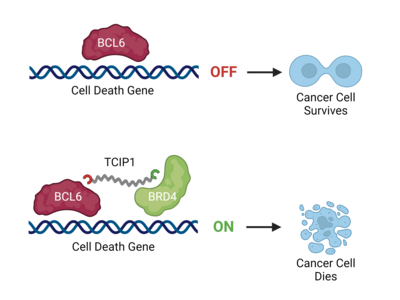
Researchers have created a molecule that, in cancer cells, hooks onto the protein BCL6 at one end and another protein that turns genes on at the other end. The result: self-destruct genes are turned up, causing the cancer cells to die.
-

An NCI-supported study called OPTIMUM, part of the Cancer Moonshot, was launched to improve the care of people with brain tumors called low-grade glioma in part by bringing them into glioma-related research.
-
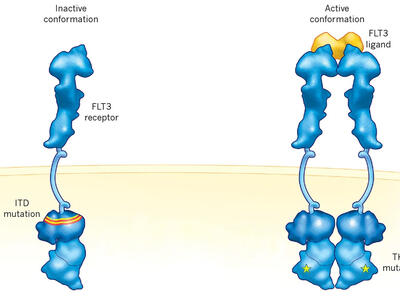
Treatment options for people with acute myeloid leukemia (AML) have expanded yet again. On July 20, FDA approved quizartinib (Vanflyta) combined with chemotherapy as a first-line treatment for AML with a specific change in the FLT3 gene.
-

Treating craniopharyngioma often requires surgery, radiation therapy, or both. But results of a study suggest that, for many, combining the targeted therapies vemurafenib (Zelboraf) and cobimetinib (Cotellic) may substantially delay, or even eliminate, the need for these treatments.
-
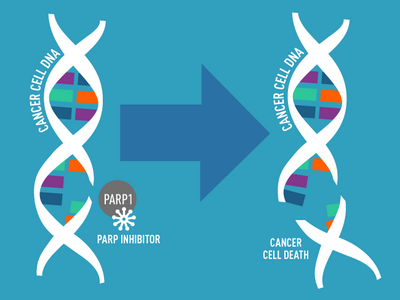
FDA approved enzalutamide (Xtandi) combined with talazoparib (Talzenna) for metastatic castration-resistant prostate cancer with alterations in any of 12 DNA repair genes. The drug combination, which blocks both DNA repair activities and hormones that fuel cancer growth, was more effective than the standard treatment in a large clinical trial.
-
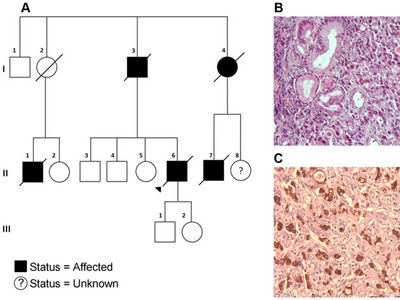
Despite recommendations, a new analysis shows few people with cancer undergo germline testing to learn if their cancer may have been caused by gene changes inherited from a parent. Germline testing can help doctors determine the best treatments for a patient and help identify people whose family members may be at higher risk of cancer.
-
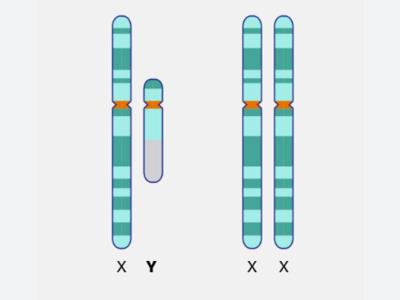
In men, loss of the Y chromosome in bladder cancer cells helped tumors evade the immune system and grow unchecked, a new study shows. However, losing the chromosome also appears to make bladder cancer more susceptible to immunotherapy, researchers reported.