
Cancer Currents: An NCI Cancer Research Blog
A blog featuring news and research updates from the National Cancer Institute.

-
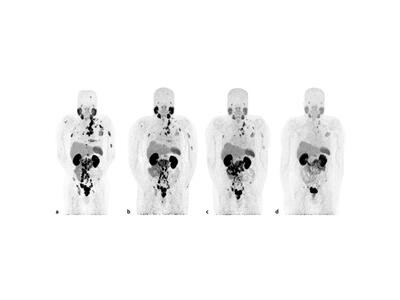
A drug called Lu177-PSMA-617 may be a new option for treating advanced prostate cancer. In a large clinical trial, adding the drug—a type of radiopharmaceutical—to standard treatments improved how long participants lived.
-

FDA has approved the first KRAS-blocking drug, sotorasib (Lumakras). The approval, which covers the use of sotorasib to treat some patients with advanced lung cancer, sets the stage for other KRAS inhibitors already in development, researchers said.
-

A drug called avasopasem manganese, which has been found to protect normal tissues from radiation therapy, can also make cancer cells more vulnerable to radiation treatment, a new study in mice suggests.
-
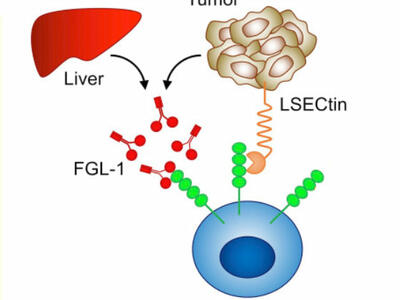
People with advanced melanoma treated with two immunotherapy drugs—nivolumab (Opdivo) and a new drug called relatlimab—lived longer without their cancer getting worse than those treated only with nivolumab, results from a large clinical trial show.
-
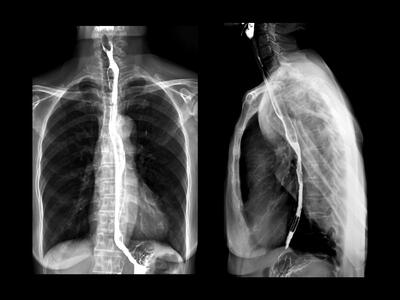
A treatment regimen that combines the immunotherapy drug nivolumab (Opdivo) with either another immunotherapy drug or chemotherapy may be a new initial treatment option for people with advanced esophageal cancer, a large clinical trial finds.
-
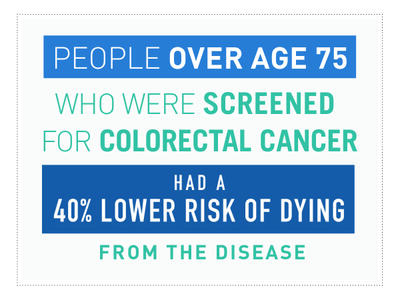
Screening people for colorectal cancer after age 75 may be beneficial, a new study suggests. The findings provide helpful information for physicians to use in discussing screening choices with their older patients.
-
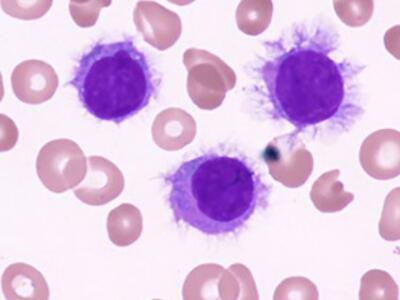
In a small study, vemurafenib (Zelboraf) and rituximab (Rituxan) helped 85% of participants stay in remission for nearly 3 years. The study involved 30 people with hairy cell leukemia that had come back after or had not responded to previous treatment.
-

People with blood cancers seem to be less protected by COVID-19 vaccines than those with other cancers and people without cancer, three new studies suggest. Experts believe this limited effectiveness is likely due to patients’ weakened immune systems.
-

Fewer women with early-stage cervical cancer are having minimally invasive surgery, including robotic, as part of their treatment, a new study shows. The shift toward more open surgeries follows the release of results from the LACC trial in 2018.
-

Can some people with HPV-related oropharyngeal cancer, a type of head and neck cancer, get less intense treatment without risking their cancer coming back? Researchers are trying to find out.