
Cancer Currents: An NCI Cancer Research Blog
A blog featuring news and research updates from the National Cancer Institute.

-

Drs. Ruth Pfeiffer and Peter Kraft of NCI’s Division of Cancer Epidemiology and Genetics discuss how breast cancer risk assessment tools are created and how people can use them to understand and manage their risk.
-
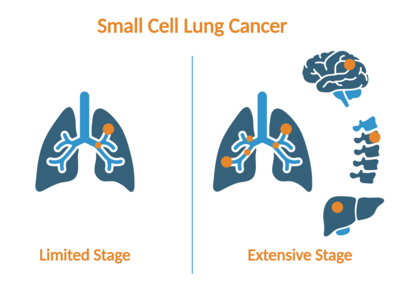
The immunotherapy drug durvalumab (Imfinzi) can help people with early-stage small cell lung cancer live longer, results from a large clinical trial show. Three years after starting treatment, nearly 60% of people who received the drug were still alive.
-
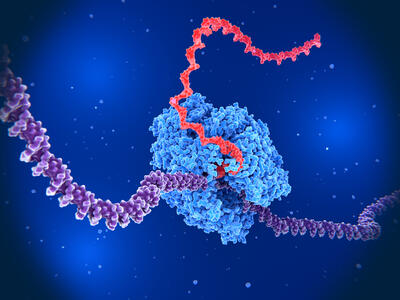
Recent results from several small clinical trials have suggested it may be possible to develop an effective immunotherapy for glioblastoma. Among them are findings from a four-patient trial testing a unique type of mRNA cancer vaccine.
-

A recent study showed that removing precancerous anal lesions can prevent anal cancer. Scientists are now studying how best to screen people at the high risk of anal cancer, including those with HIV, for these lesions.
-

When it comes to cancer drugs, researchers are moving away from a paradigm called the maximum tolerated dose. Instead, they’re focusing more on identifying doses that produce fewer side effects but are still effective against a person’s cancer.
-

Reshaping the cancer clinical trials infrastructure to overcome key bottlenecks will involve embracing technology and collaboration, and inviting innovation, explain NCI Director Dr. W. Kimryn Rathmell and NCI Special Advisor Dr. Shaalan Beg.
-
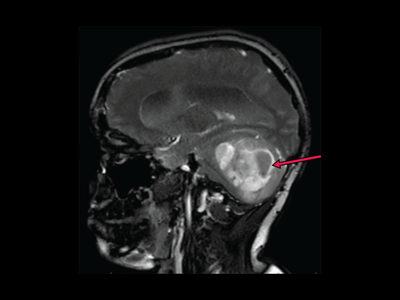
FDA has granted an accelerated approval to tovorafenib (Ojemda) for kids and teens who have low-grade glioma with changes in the BRAF gene. In a small clinical trial, the drug shrank or completely eliminated tumors in nearly 70% of patients.
-
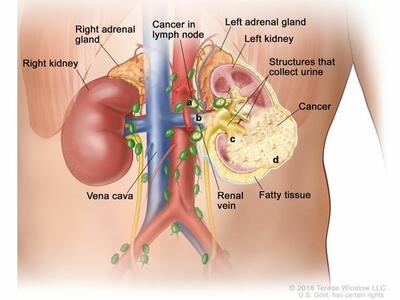
In a large clinical trial, treatment with pembrolizumab after surgery helped people with kidney cancer live longer than those who got a placebo and standard monitoring. The findings mark the first time an adjuvant treatment for kidney cancer has improved survival.
-

Assessing and offering people with cancer stepped collaborative care may help better manage symptoms of depression, pain, and fatigue than the standard referral to providers for treatment, according to a recent study.
-
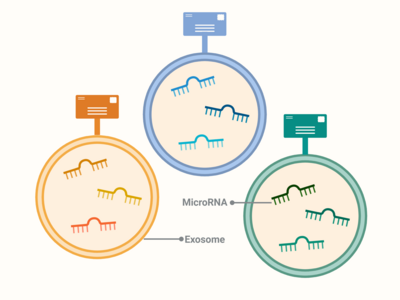
In a new study involving nearly 1,000 people, a liquid biopsy accurately detected early- and late-stage pancreatic cancer. When paired with a test for the protein CA19-9, the combination accurately identified 97% of people with early-stage disease.