
2015 - Cancer Currents Blog
-

Findings from a study in mice suggests that a new type of drug conjugate may have potential as a treatment for two cancers that are often diagnosed in children.
-

Breast density is just one of several factors that should be taken into account in determining the need for additional cancer screening, study suggests.
-

A pattern of gene expression in the cells of the upper airways of patients with suspected lung cancer can help to diagnose lung cancer more accurately than bronchoscopy alone.
-

The enhanced clinical trials search function on Cancer.gov will allow users to more easily find accurate and timely information about active and recruiting NCI-supported clinical trials.
-

New data from the Childhood Cancer Survivor Study suggest that refinements in pediatric cancer treatment over the last few decades have helped to extend the lifespans of many survivors of childhood cancer.
-

Using a storytelling approach to educate women about cervical cancer screening eliminated disparities in attitudes toward screening and behavior, according to a new study.
-

Giving some men with prostate cancer chemotherapy after standard treatment with radiation and hormone therapy modestly improves how long they live, according to results from a new NCI-funded clinical trial.
-
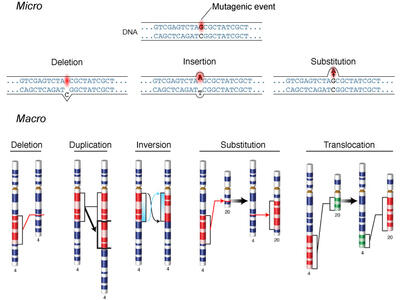
The list of cancers that may be susceptible to checkpoint inhibitors is quickly expanding, according to findings from clinical trials presented at the ASCO annual meeting.
-
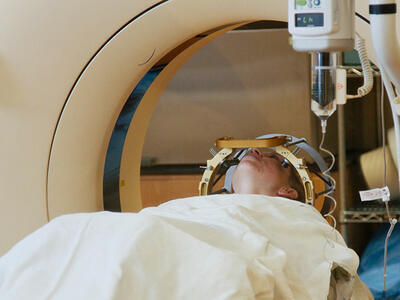
In some patients with cancer that has spread to the brain, whole brain radiation following radiosurgery causes more severe cognitive decline and does not improve survival compared with radiosurgery alone, a new study has found.
-

The majority of Americans are not using sunscreen regularly to protect their skin from damage caused by the sun’s ultraviolet (UV) rays, according to a new survey.