
2017 - Cancer Currents Blog
-

Researchers recognized the potential of endoxifen as a treatment for breast cancer and, with NCI support, developed the compound into a drug now being tested in clinical trials.
-

Researchers have used modified stem cells to deliver a cancer drug selectively to metastatic breast cancer tumors in mice. The stem cells target metastatic tumors by homing in on the stiff environment that typically surrounds them.
-
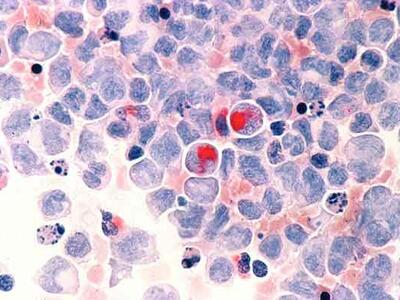
FDA has approved two new treatments for some adult patients with acute myeloid leukemia (AML): enasidenib (Idhifa®), which targets the IDH2 protein; and liposomal cytarabine-daunorubicin CPX-351 (Vyxeos®), a two-drug chemotherapy combination encapsulated in liposomes.
-
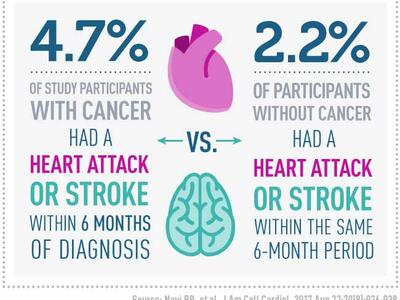
A diagnosis of cancer can come with an increased risk of a heart attack or stroke in the months after beginning treatment, a new study suggests. Within 6 months of a diagnosis, the risk of either event was more than twice that seen in people without cancer.
-
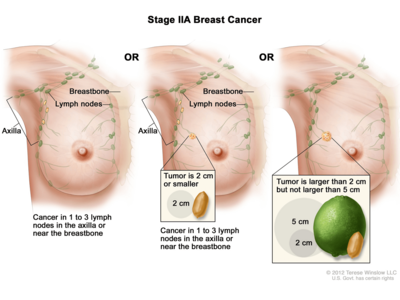
FDA has approved neratinib for patients with early-stage HER2-positive breast cancer who have finished at least 1 year of adjuvant therapy with trastuzumab.
-

NCI’s Small Business Innovation Research Program recently issued contract solicitations to spur the development of new cancer-related therapies and technologies, including seven opportunities specific to the Cancer Moonshot.
-
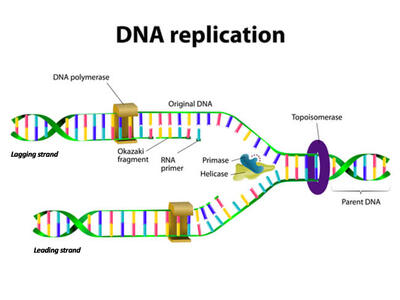
FDA has granted accelerated approval to the immunotherapy drug nivolumab (Opdivo®) for patients with metastatic colorectal cancer whose tumors have alterations that affect DNA repair.
-
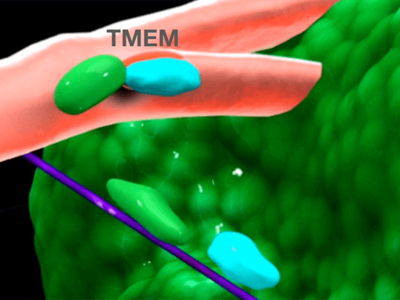
A new study conducted primarily in mice suggests that chemotherapy given before surgery for breast cancer can cause changes in cells in and around the tumor that are tied to an increased risk of the cancer spreading to other areas of the body.
-

A drug used to treat several blood cancers, ibrutinib, has been approved by FDA to treat chronic graft-versus-host disease, making it the first approved therapy for this potentially fatal side effect of cancer-related stem cell transplants.
-
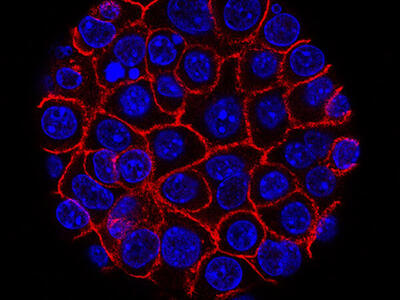
A new blood test that measures levels of two specific proteins may be able to accurately detect pancreatic cancer at its earliest stages, when it is most likely to respond to treatment, findings from a new study suggest.