
2017 - Cancer Currents Blog
-
Progress continues to be made with the Gabriella Miller Kids First Research Program, which is creating opportunities for investigators from different research communities to share resources and collaborate on research into childhood cancers and certain birth defects.
-
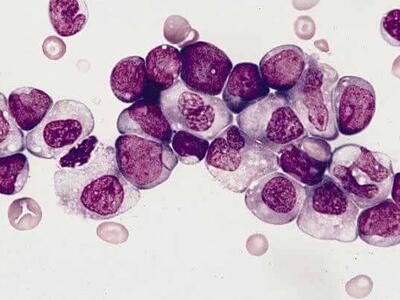
FDA has approved gemtuzumab ozogamicin (Mylotarg™) for adults with newly diagnosed CD33-positive AML and patients 2 years and older with CD33-positive AML who have experienced a relapse or whose disease has not responded to initial treatment.
-

Proactive, low-tech outreach approaches can help increase the number of people who get screened for colorectal cancer with a colonoscopy or home stool test and complete the appropriate follow-up.
-
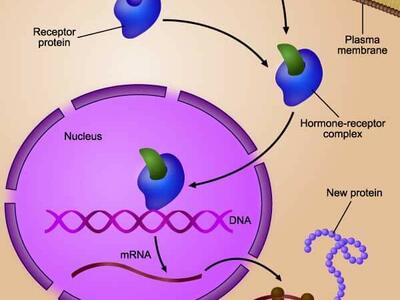
FDA has expanded its approval of fulvestrant (Faslodex®) as a standalone treatment for postmenopausal women with advanced HR-positive, HER2-negative breast cancer who have not previously undergone endocrine therapy.
-
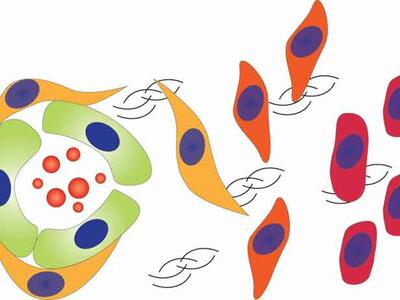
NCI’s Dr. Rosandra Kaplan discusses important trends in metastatic cancer research and new ideas for treating and preventing metastatic cancer.
-

Many women who receive taxane-based chemotherapy to treat breast cancer experience long-term nerve damage, or peripheral neuropathy, data from a large clinical trial show.
-
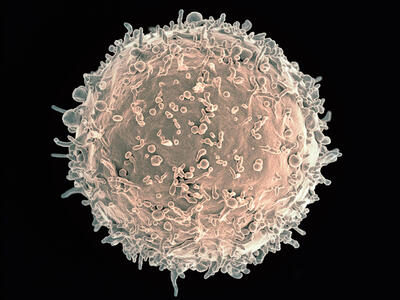
FDA has approved inotuzumab (Besponsa®) for some adults with B-cell acute lymphoblastic leukemia (ALL). The approval covers patients with B-cell ALL whose disease has relapsed or is refractory to standard chemotherapy.
-
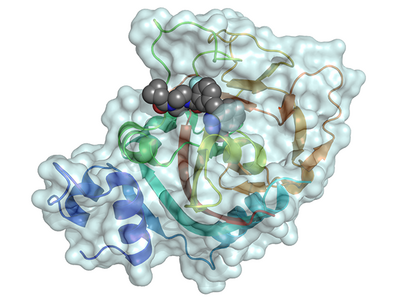
FDA has granted regular approval to olaparib tablets (Lynparza®) as maintenance treatment for patients with recurrent ovarian cancer who are having partial or complete responses to platinum-based chemotherapy.
-

In a large study, patients with nonmetastatic breast, lung, or colorectal cancer who chose alternative therapies had substantially worse survival than patients who received conventional cancer treatments.
-

FDA has approved tisagenlecleucel (Kymriah™), a type of immunotherapy called CAR T-cell therapy, for some children and young adults with advanced acute lymphoblastic leukemia (ALL).