
Global Health - Cancer Currents Blog
News and expert commentaries about the impact of cancer around the world and efforts to improve global health, including new initiatives and research findings.
-
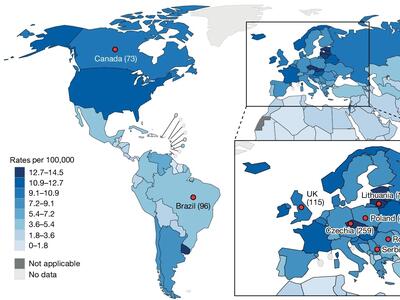
By analyzing patterns of DNA mutations in kidney cancers from people around the world, researchers have discovered new clues about possible causes of the disease. Identifying these mutational signatures might lead to strategies for preventing kidney cancer.
-
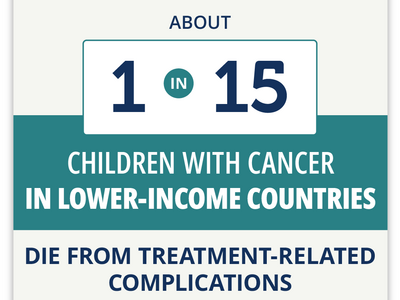
A system for catching treatment-related complications in children with cancer has proven to be highly effective in many Latin American hospitals. An NCI-funded study aims to help make these early warning systems sustainable.
-
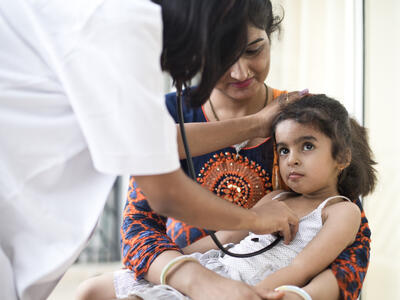
Training provided by NCI scientists helped researchers in India design an effective CAR-T cell therapy, NexCAR19, that can be manufactured in India, made available at a reasonable cost, and meet the needs of patients in India’s health care system.
-
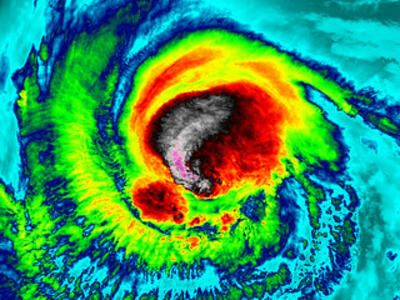
The consequences of climate change have already affected cancer care in the United States, particularly in areas hit by hurricanes and wildfires. Researchers are studying how to mitigate that impact and better understand the effect of climate change on the risk of developing cancer.
-
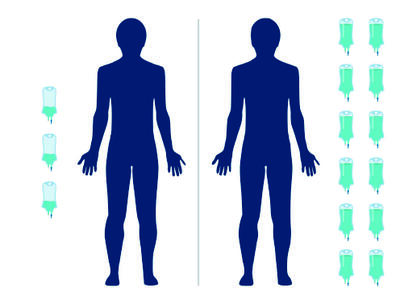
A study in India has found that an ultra-low dose of the immunotherapy drug nivolumab (Opdivo) helped people with advanced head and neck cancer live longer. Because the dose is 6% of what’s typically used in the United States and Europe, it is potentially more affordable.
-

One dose of the HPV vaccine was highly effective in protecting young women against infection from high-risk HPV types, a study in Kenya found. A single dose would make HPV vaccines more accessible worldwide, reducing cervical cancer’s global burden.
-

Nearly 750,000 cases of cancer diagnosed worldwide in 2020, or 4%, can be attributed to alcohol consumption, according to a new study. While heavy drinking accounted for most cases, light and moderate drinking accounted for a modest amount.
-
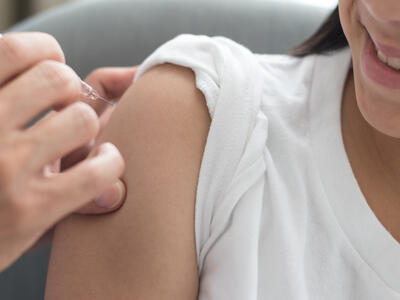
Widespread HPV vaccine use dramatically reduces the number of women who will develop cervical cancer, according to a study of nearly 1.7 million women. Among girls vaccinated before age 17, the vaccine reduced cervical cancer incidence by 90%.
-
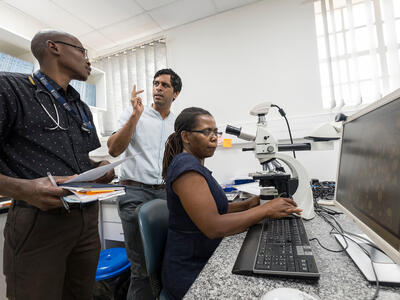
Dr. Satish Gopal, director of NCI’s Center for Global Health, discusses opportunities for making progress against cancer worldwide, particulary in low- and middle-income countries, many of which are seeing increasing cancer incidence and deaths.
-
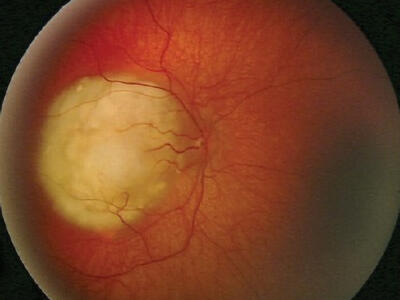
Children with retinoblastoma in low- and middle-income countries were, on average, diagnosed at an older age and with more advanced disease than those in high-income countries, an analysis shows. The data provide clues about global disparities in outcomes.